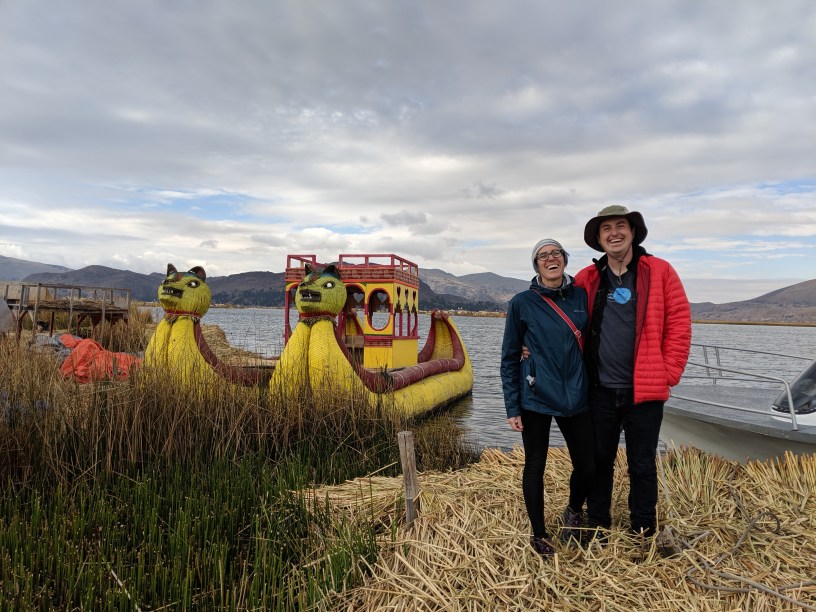
We decided to escape Peru by land and take the “Bolivia Hop” bus from Cusco to Copacabana, then on to La Paz. Friends who visited Bolivia a number of years ago had given us a very strong recommendation for a place to stay in Copacabana, so we planned for several days’ layover there – partly to recover from the long overnight bus trip that would take us there. Even though we’d heard it was a really picturesque drive, we decided to take the night bus for reasons that escape me now (I remember it was hugely cheaper than the train, though!).
We caught the bus after dark in downtown Cusco, having humped our bags across the narrow cobblestone streets and shivered in line waiting to board for the better part of a hour with the rest of the tourist crowd. Unfortunately we didn’t realise that the boarding was first-come, first-served, and we got stuck with seats right at the back on the upper level – not ideal for sleeping. We’d been forewarned that it might be cold on the bus, though, so we were fully bundled up.
Eventually we rolled out, lurching and swaying up up up the winding highway toward Bolivia. It was pitch black, and frankly, that was probably for the best, as we’d heard the drive was beautiful, but steep.
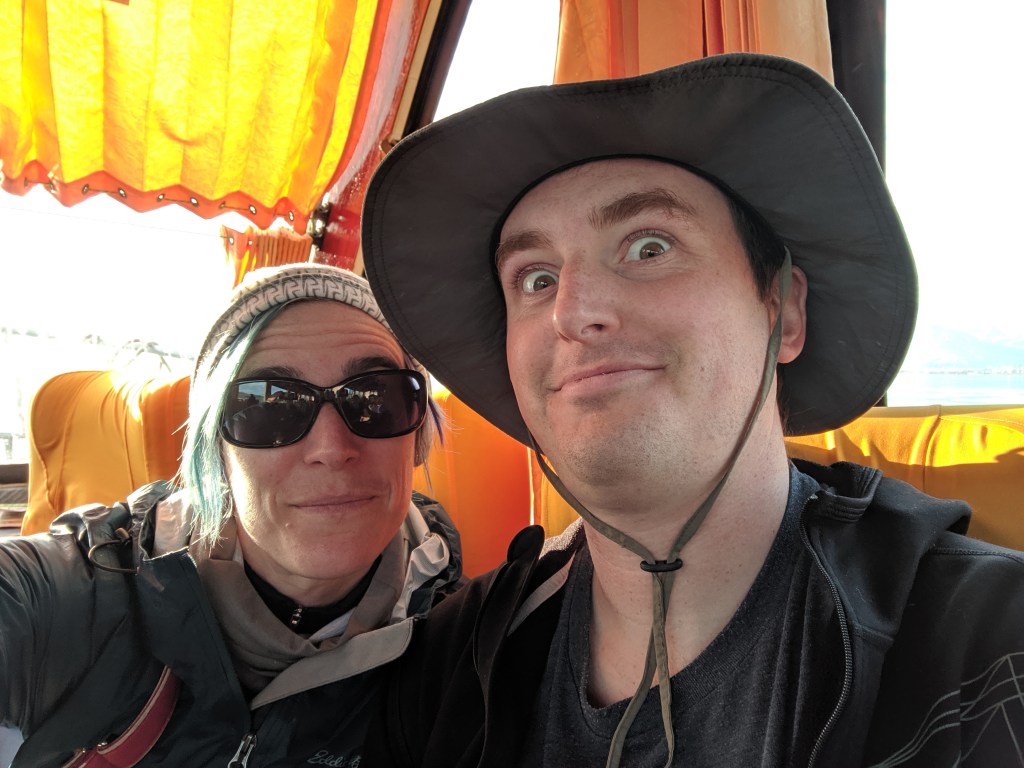
Lake Titicaca is located at 3800m. I don’t know whose idea it was to put a lake up that high, but it is literally breathtaking, even after more than a week kicking around the Cusco area (~3400m). It’s a really ancient body of water, and though it’s deep and cold, a lot of the species are taking a beating from introduced fish, notably Rainbow Trout, apparently introduced from Canada around 1940 as part of some kind of nutrition program. I guess the fish that were native to the lake were small and unappealing, or at least had become so after centuries of colonizer overfishing? We didn’t get a very thorough explanation, and it was unclear whether said Trout Scheme was desired or welcomed by the local residents.
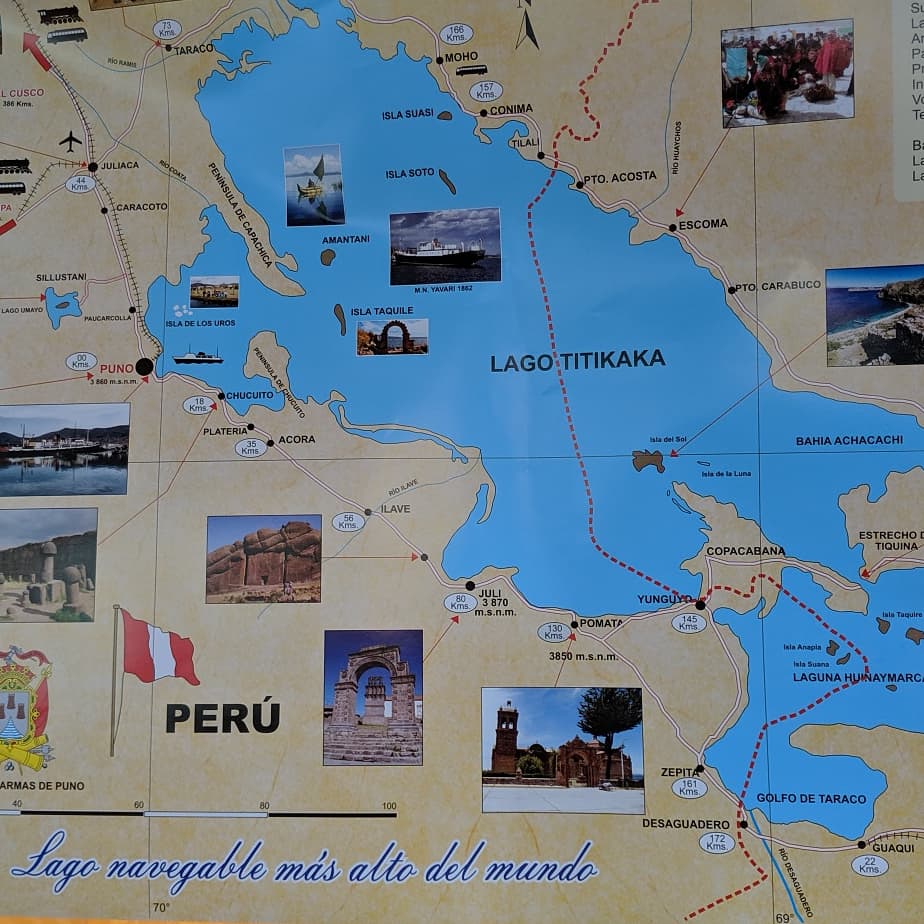
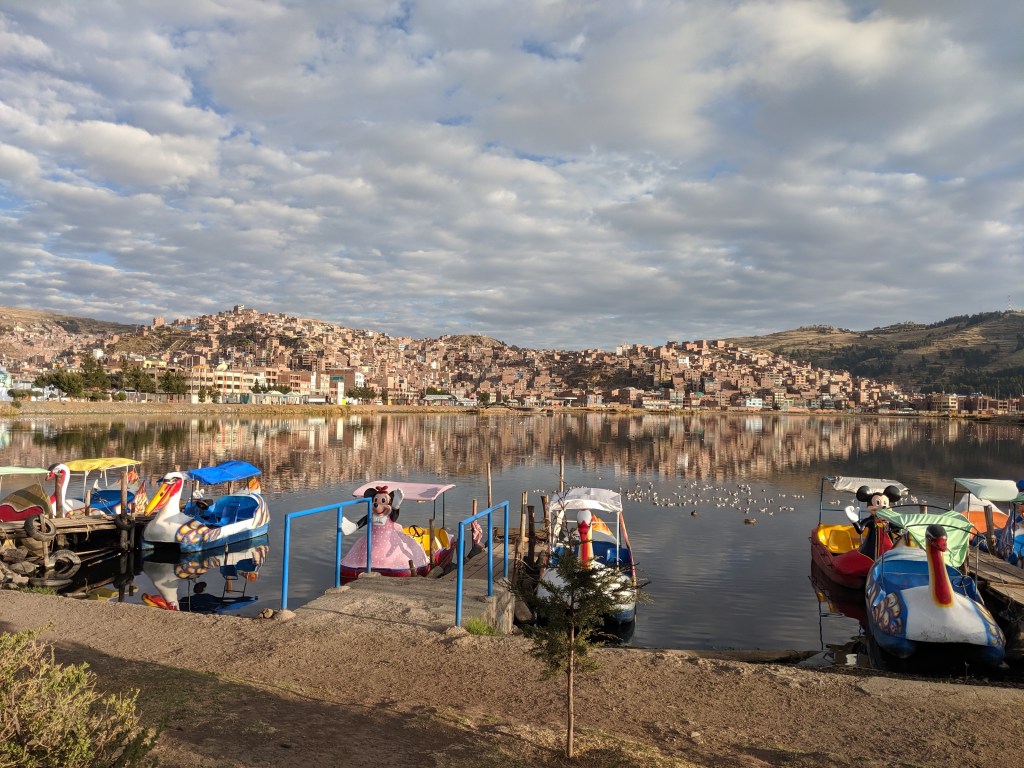
Near dawn, we rolled gently to a stop by the lakeshore in Puno, on the Peruvian side of the lake, for a couple hours’ layover for breakfast and a boat tour to the floating islands on Lake Titicaca. We’d read that the islands were both a must-see, and tourist traps. I was intrigued by the concept and construction of floating islands, and the boat-building techniques the indigenous people who live on the lake are renowned for. Any day I get to travel by more than one mode of transportation is exciting for me, so I was bright eyed and bushy tailed and quite possibly literally bouncing as we boarded the tour boat. Bryn was so tired from not sleeping on the bus all night that he was fairly ambivalent about the whole thing, but tagged along with me in relatively good humour.
The floating islands are the home of the Uros people. The precise origin of the lake culture is a little unclear – like many things in this region, Inca rule and subsequent Spanish conquest seem to have clouded things having destroyed the indigenous languages and hampered many longstanding cultural practices. It seems that at some point in the past, the Uros migrated from the Amazon basin to the Andean Altiplano, and made a home on the shores of Lake Titicaca. Facing discrimination and harassment from other tribes and the rising Inca power, the Uros took defensive action and moved onto the lake itself, building floating islands from thick mats of totoro reeds that grow prolifically in the lake’s shallows. There, they were effectively left alone to live their lives for several centuries until a bad storm destroyed many islands and homes in the mid 1980s, and forced them to move closer to shore.
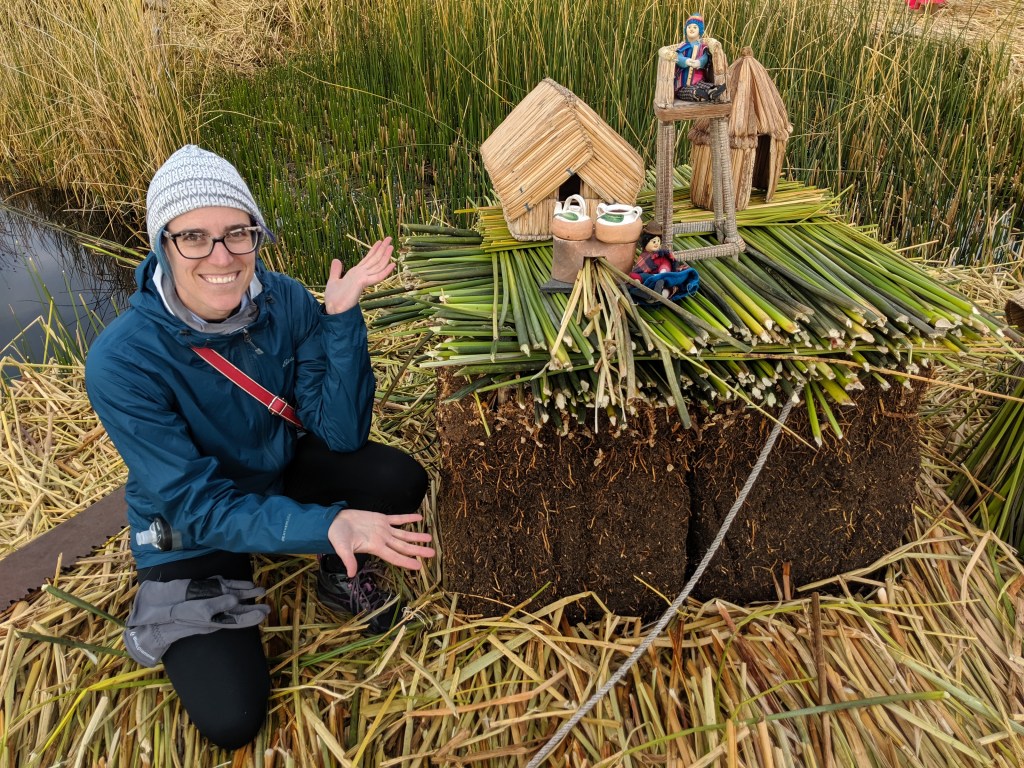
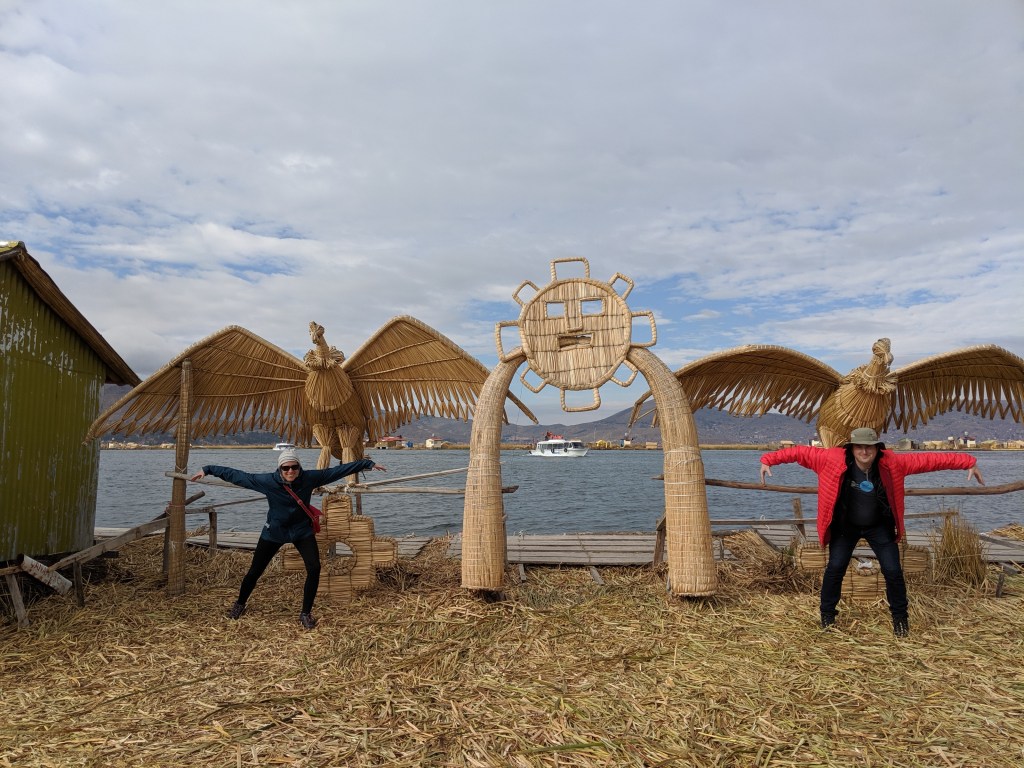
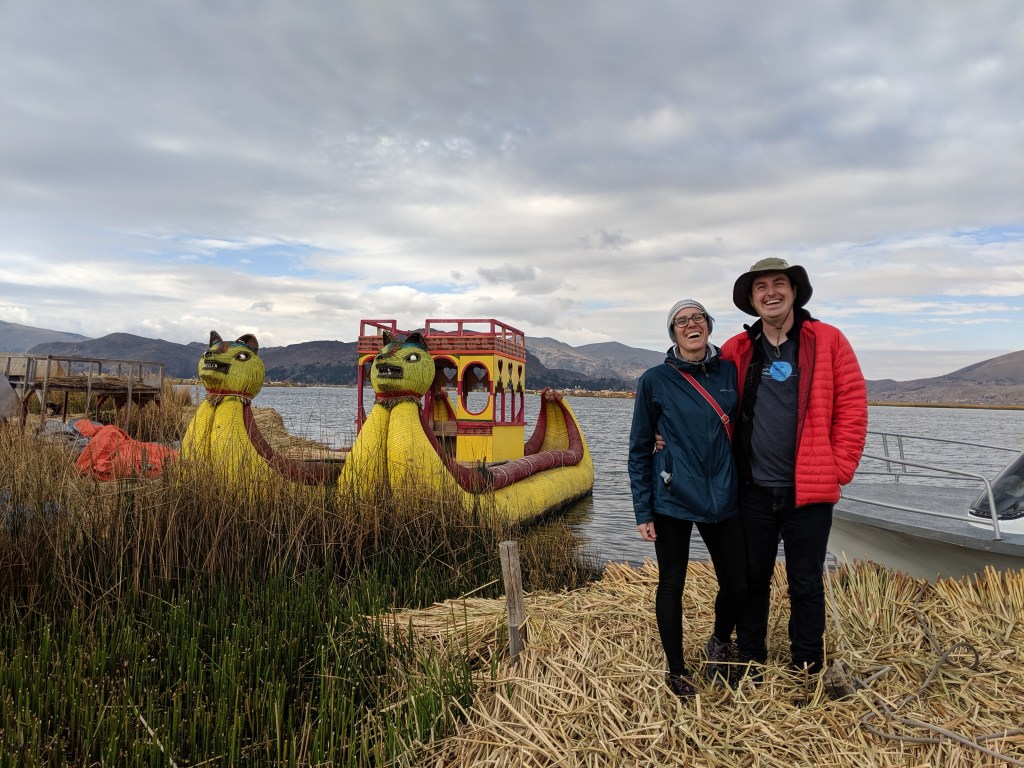
Today, there are several dozen small islands about 5km from Puno, with a total population of just over 1000. The island construction (see photo!) is ingenious, but requires almost constant maintenance as the reeds rot from below over time, and increased compaction from tourist footfall shortens the life of the top layer, while compressing bottom layers which in turn speeds up the rotting. Adding freshly cut reeds to the top of the islands is a never ending task. Stepping onto a floating island is a funny sensation, like walking on a cross between a sponge and a soft mattress – there’s not a lot of springback, but it gives way gently and is silent and otherworldly.
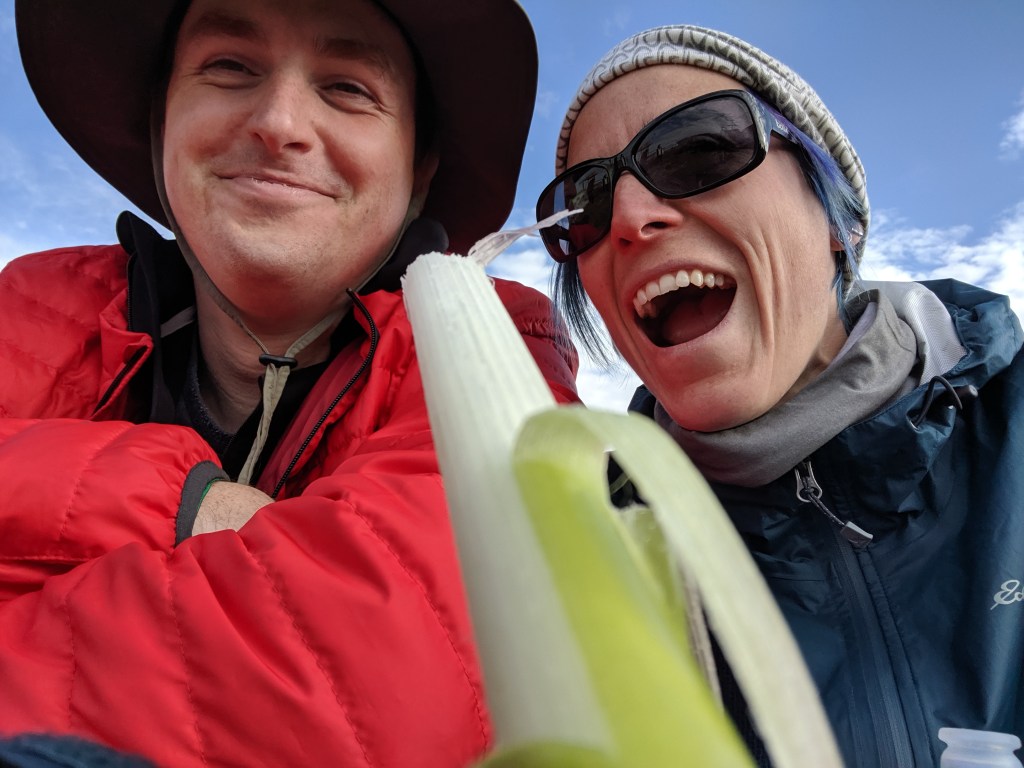
The totoro reed is also an important source of food for the Uros – the white lower part of the reed is eaten raw, and apparently is a good source of iodine. Our guide tried to convince us it was the “Titicaca banana”, which, while fun to say, I think is mostly because you peel the outer layer of the reed back to expose the white interior. It bears no resemblance to banana in colour, taste or texture.
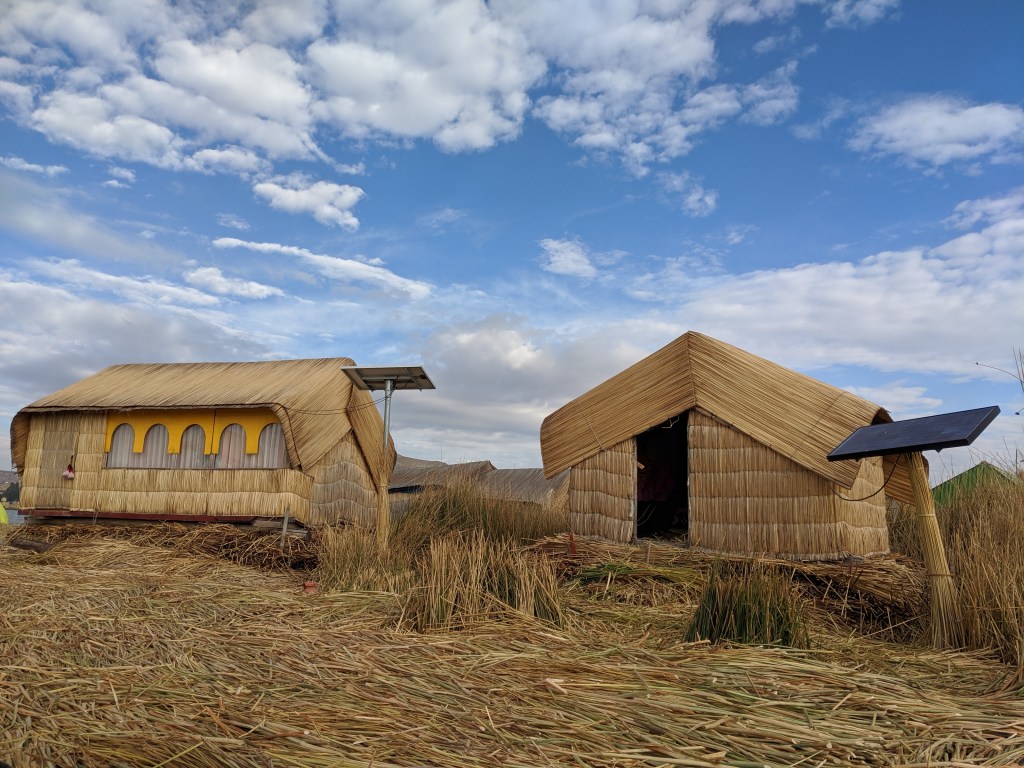
The people who live there suffer continued racism from the surrounding residents, and most Uros are reliant on tourism for their livelihoods. Given their proximity to the heavily traveled South American tourist route, it’s likely inevitable that our two-hour tour felt kitschy and contrived. Increasingly, there are eco-tourism options on the lake that include a night or two homestay with one of the families, that probably offer a more balanced perspective on the reality of living on a floating island in 2019 (for example, we saw lots of solar panels, and several micro-wind turbines).
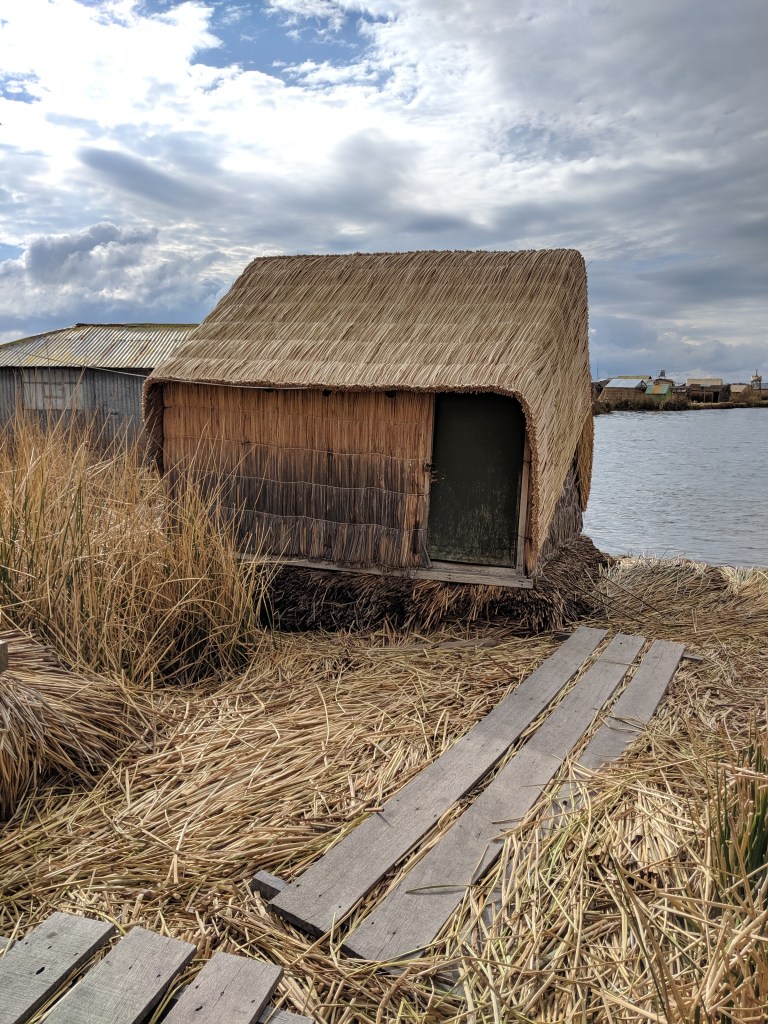
Despite our blinding fatigue and the cookie-cutter experience, it was a very interesting window into a unique culture that is struggling to protect its heritage while navigating the realities of modern life. And the architect in me was delighted to see the reed constructions up close.
 Honeymoon? Sweet!