Not long before we left Ottawa we spent a day at Britannia Beach; and while walking along the shore, Sarah spotted one of those plastic six-pack holders – you know, those rugged plastic things with six rings that we used to see in those awful pictures of turtles with deformed shells, or caught around fish? We were blown away to see that one had been tossed into the water, especially fully intact. It was 2019 and this was still happening? We wondered if maybe things were worse than we thought.
A few weeks later we are walking along the shores on the Galapagos Islands, and the pervasiveness of plastics and garbage being washed up is so remarkable that we felt we needed to write a separate post just to talk about it.
Look closely at the photo below…a lot of those aren’t rocks.
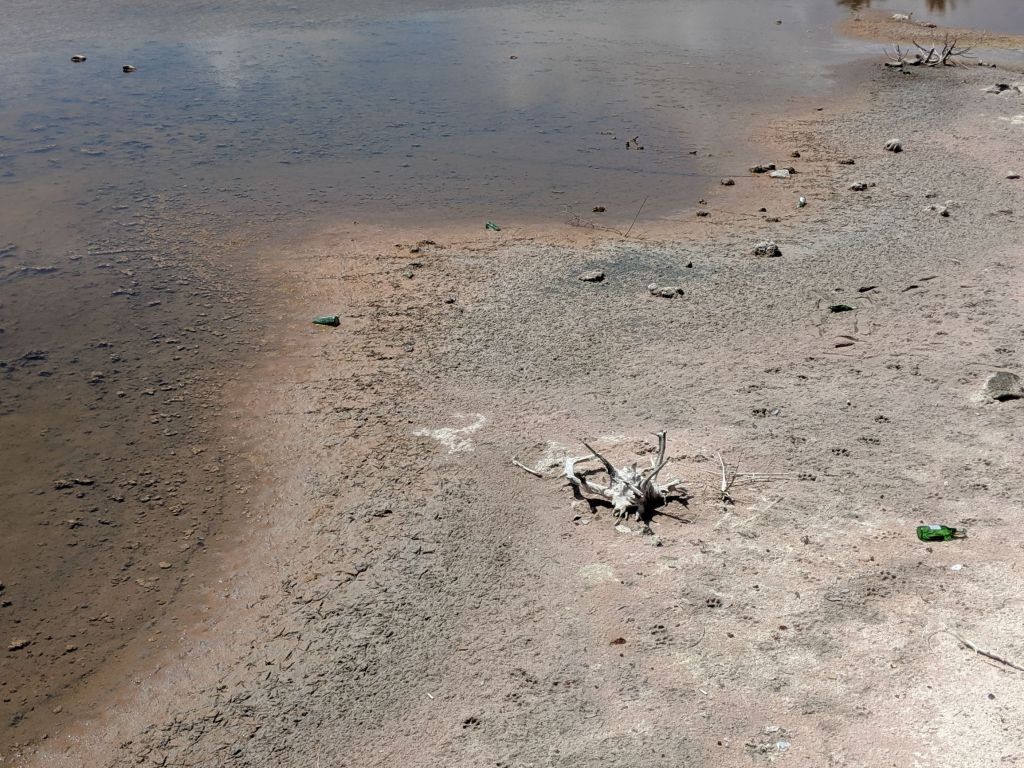
It’s really bad, guys.
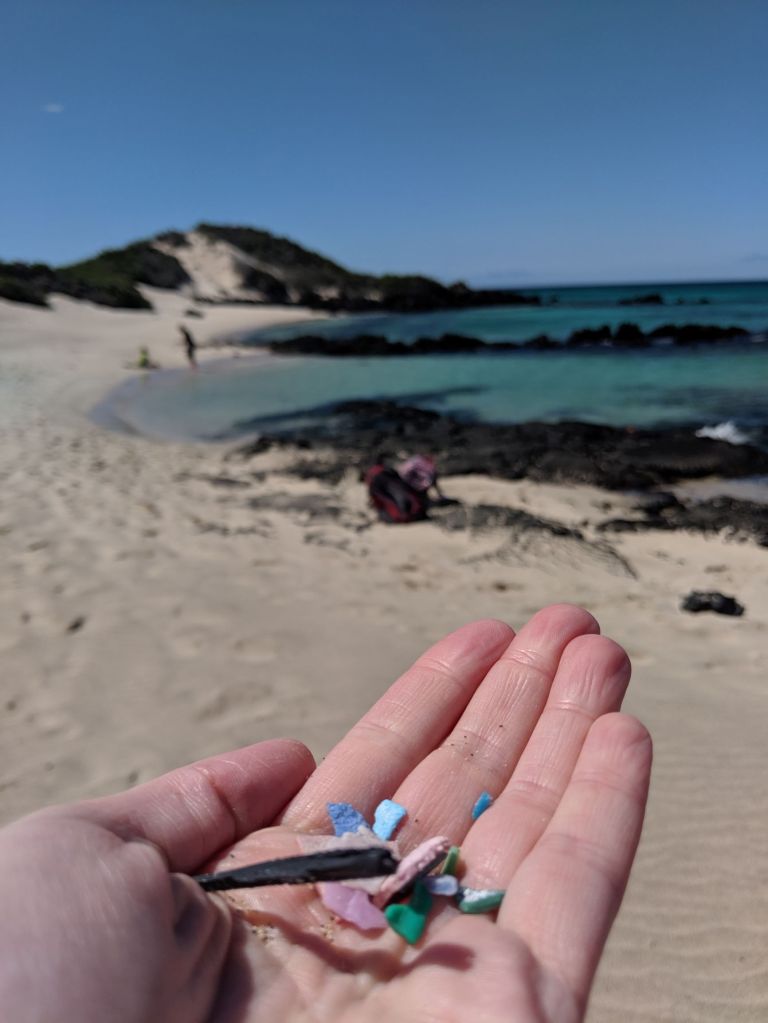
At one point we took a trip to Santiago Island to do some snorkeling and walk along lava flows. Santiago Island is completely uninhabited, and is about three hours by boat from the nearest inhabited island in the archipelago. This photo is of a handful of plastic Sarah picked up there while walking from the rocks our towels were on to the boat that was waiting for us (about 10m of distance?).
There wasn’t a single tour we took where the guide didn’t spend time fishing out plastic bottles and bags from the shoreline. One muttered “welcome to paradise” as he fished out yet another plastic chunk and placed it in the container he brings with him every tour to collect plastic in… because it’s that persistent a problem.
Sometimes other folks along the tour got involved in the cleanup.
While everyone on that day trip felt good about ‘doing our part’ to help clean up, at one point after a surf lesson we stood on the beach and watched the waves roll in. Without fail, each wave left at least one new plastic piece on the shore. The group we were with spent about 10 minutes picking up these bits as they rolled in, before eventually giving up because it felt like such a losing battle. Our surf instructor said that a lot of the plastic pollution we see in Galapagos is carried in by tides from Peru and Ecuador, and the problem is only getting worse.
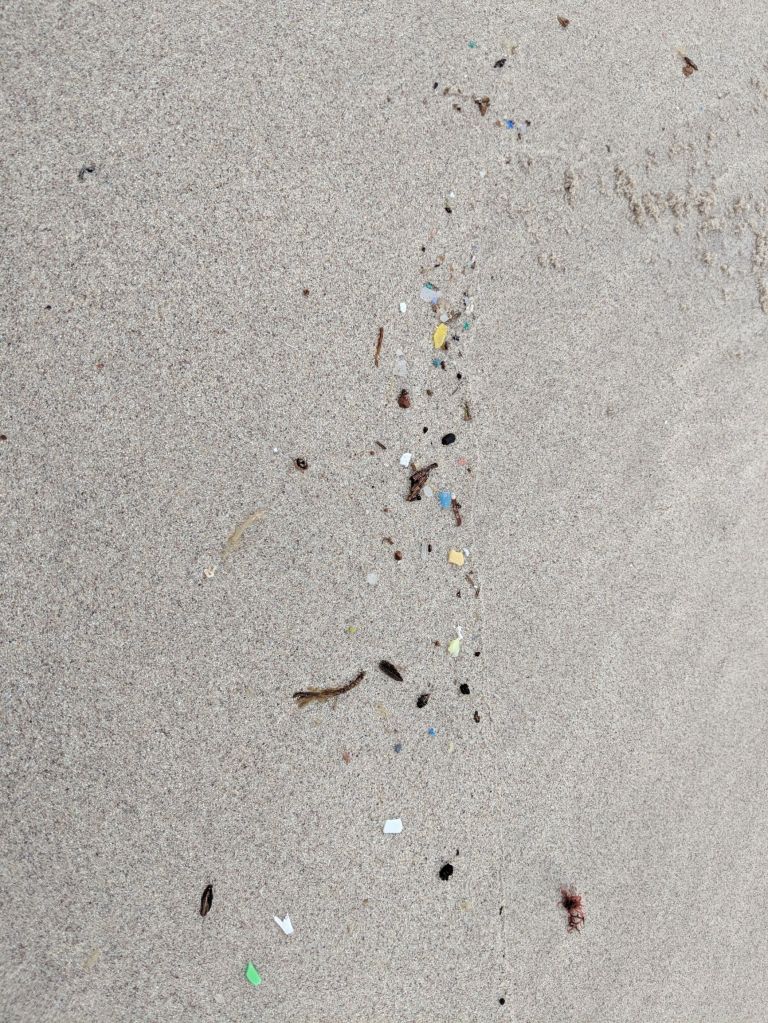
Waves… 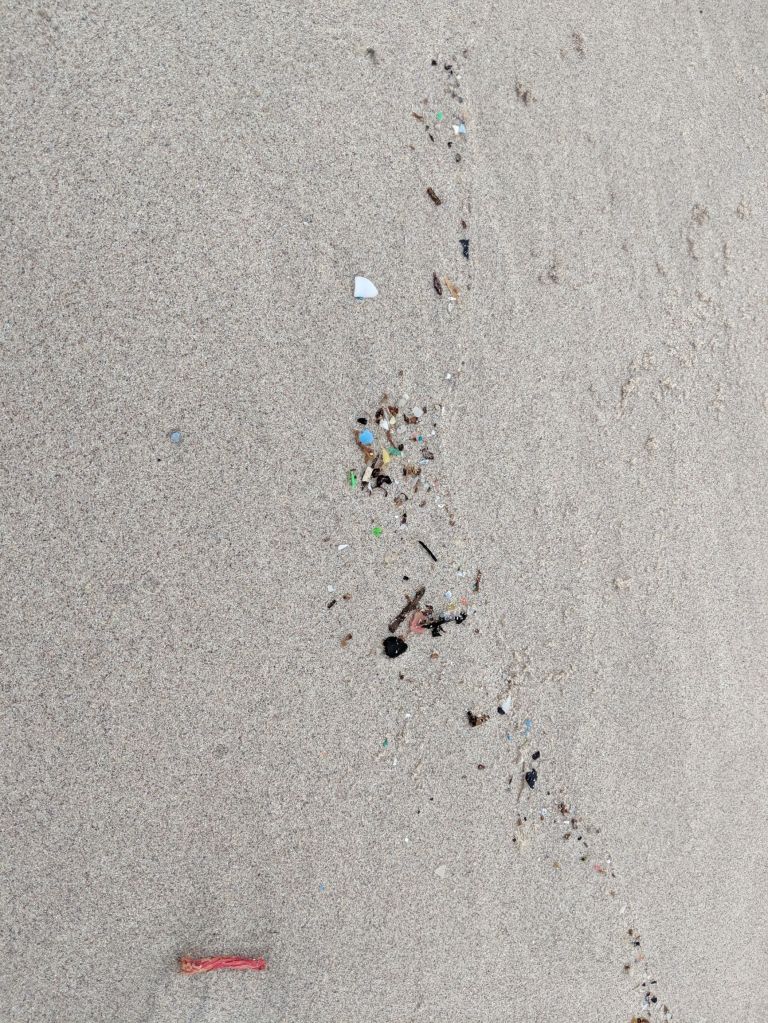
washing more… 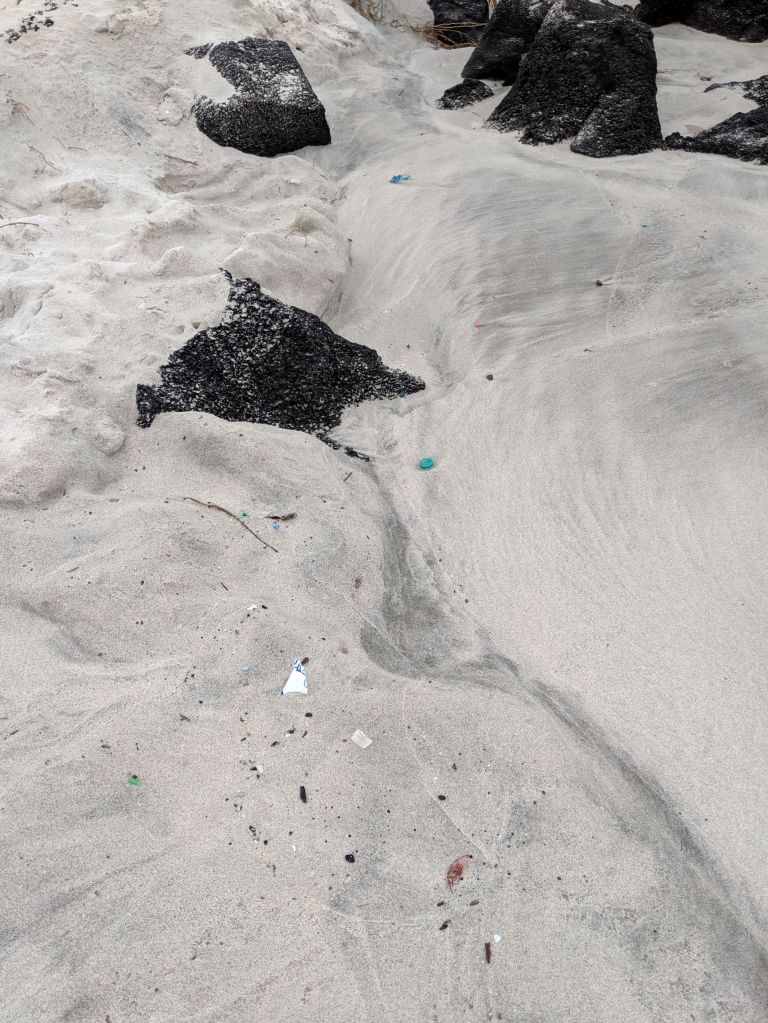
plastic onshore.
A few days ago while in Peru, Sarah found some of this plastic bits we’d collected in the pocket of our backpack. Naturally, she walked towards the recycling and garbage cans to put it away…. only to realize that this Galapagos plastic likely came from Peru in the first place. Our cleanup efforts will likely just result in these bits ending up in the ocean again. Even if we had recycled them on Galapagos, they would have just been shipped back to mainland Ecuador to be processed there.
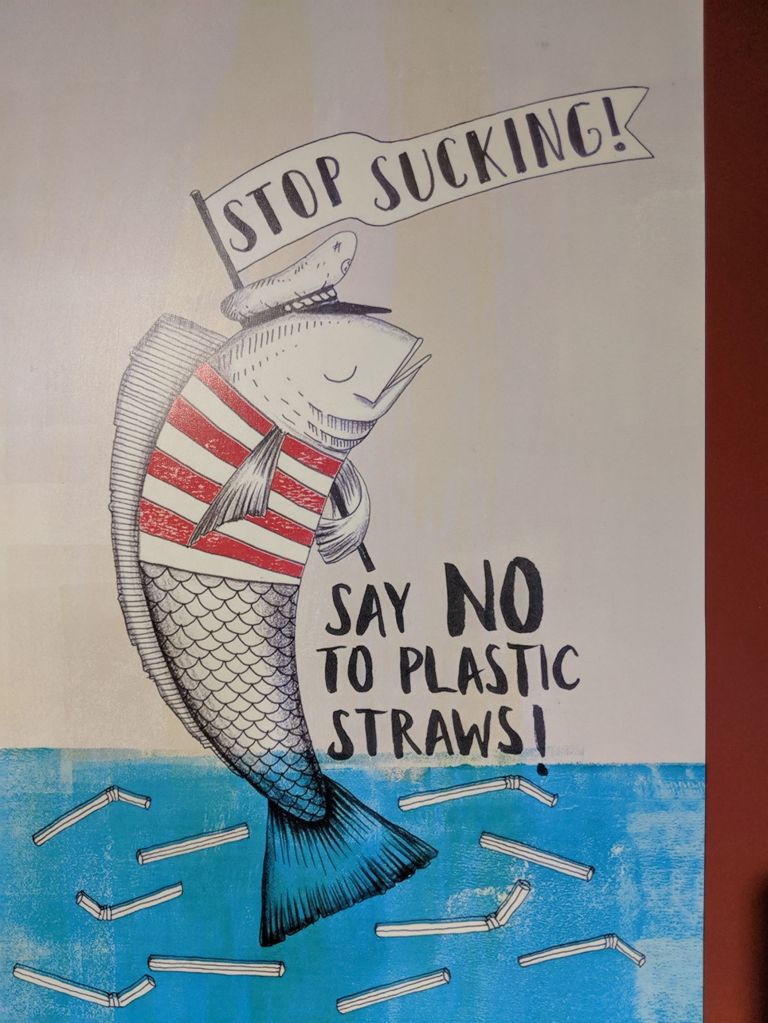
There is lots of messaging around about reducing plastic use on the islands…it’s just that the amount of plastic being used on the islands is a tiny drop in a very, very big bucket.
There’s no such place as “away” when it comes to throwing things out. It’s all going somewhere.
 Honeymoon? Sweet!