Plants and animals, coming right up!
First up: Flora
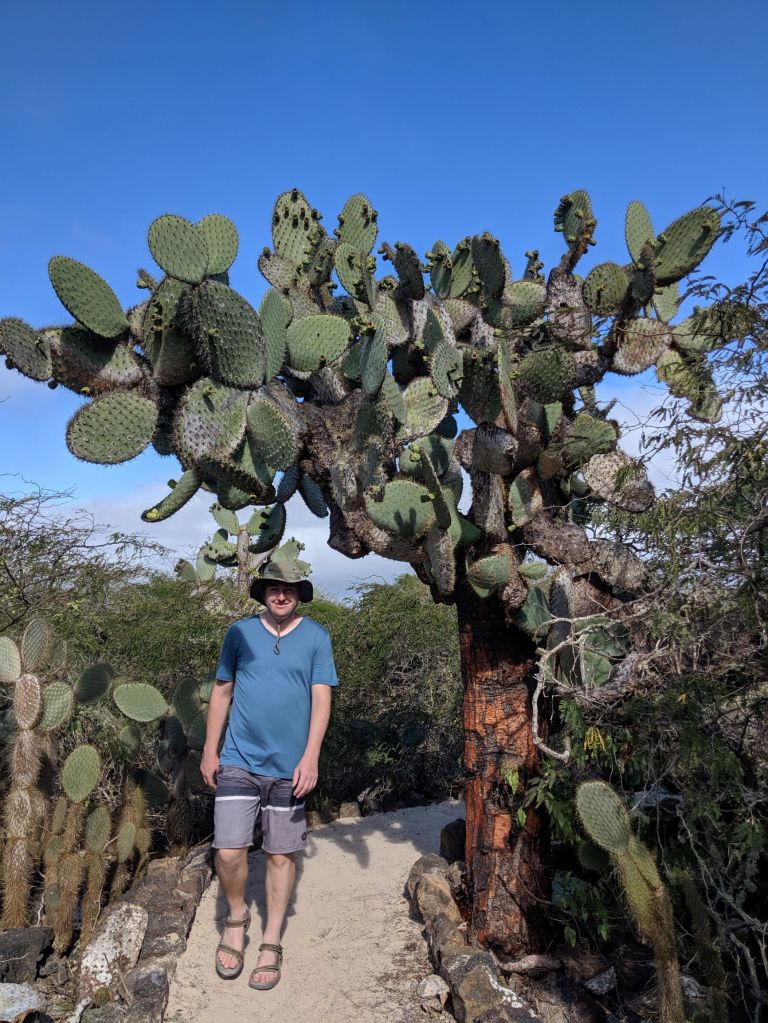
Bryn and an Opuntia (prickly pear) cactus. There are four sub-species of Opuntia that are endemic to the islands. “Endemic” means these species are found nowhere else (while “native” species occur naturally on the islands, and “introduced” or “invasive” species were brought by humans). Bryn described these cacti as looking like Picasso tried to draw a cactus. I’m inclined to agree!
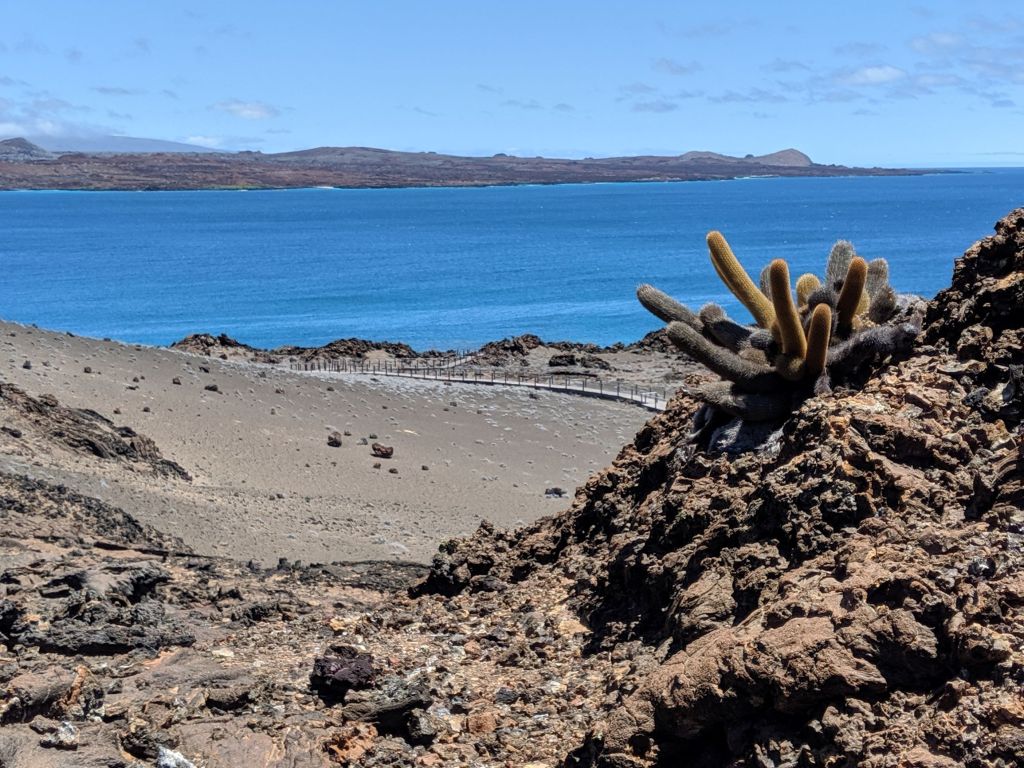
The fuzzy columnar accretion in the upper right is a Lava Cactus – one of the three cactus species that can be found on the islands.
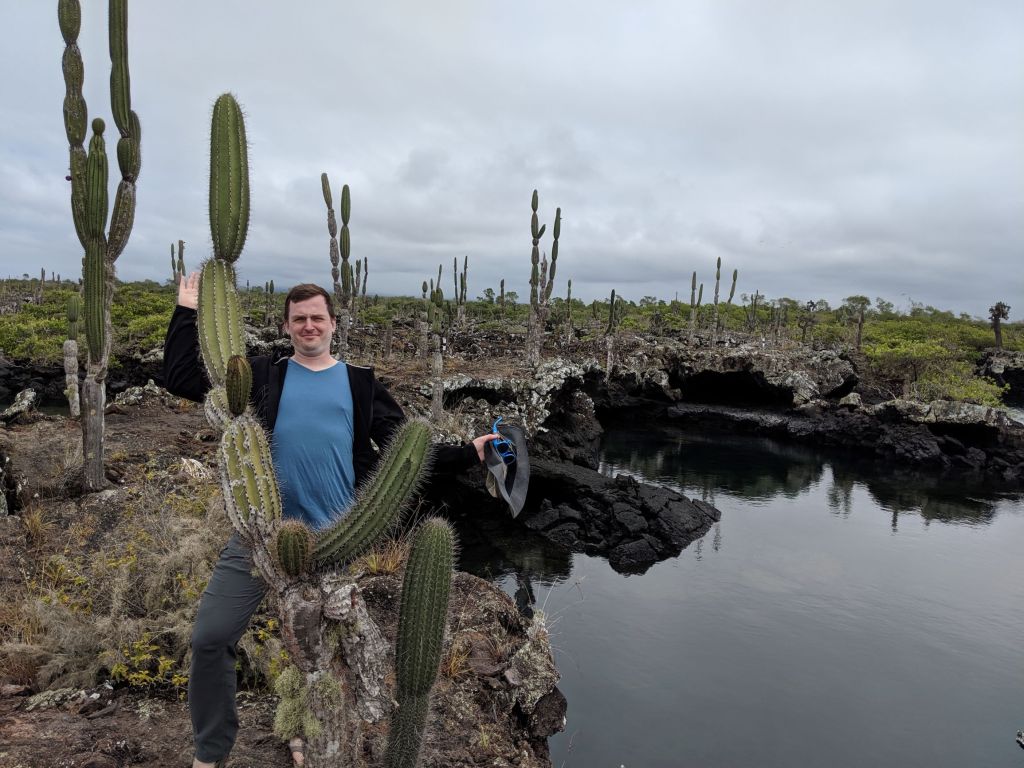
Bryn is posing with a Candelabra Cactus. These are also abundant on the islands.
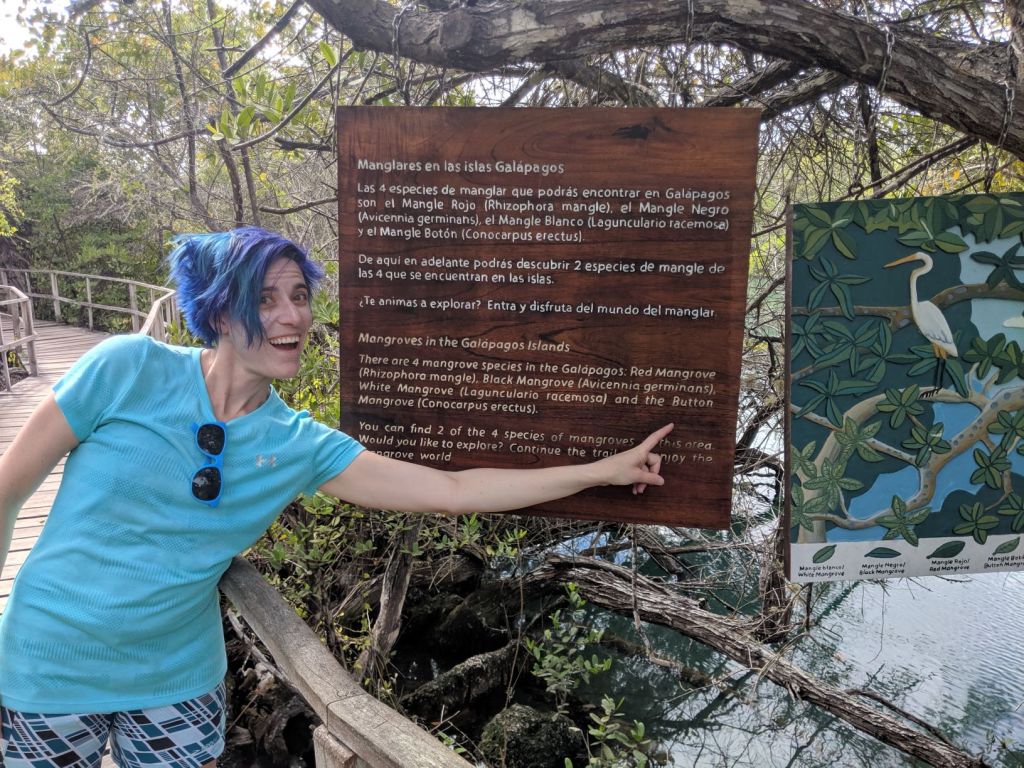
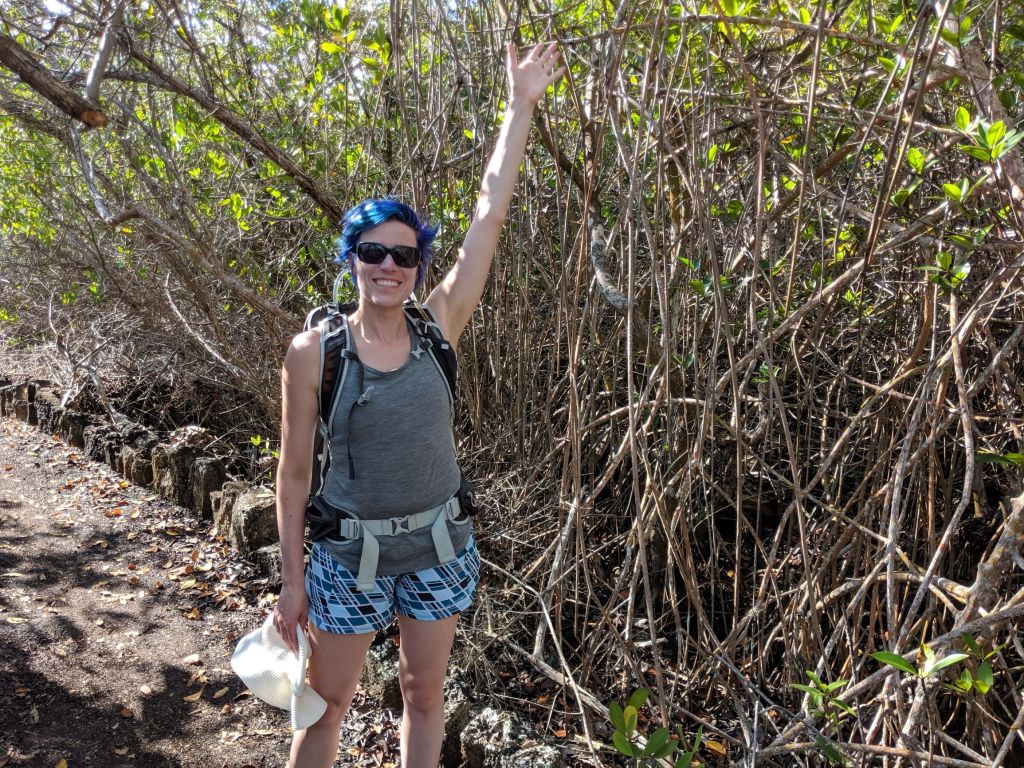
Button Mangroves! We also saw Red, Black, and White Mangroves, but the Button ones are best.
We also saw various other plants: Sandalwood trees (with white bark to help reflect sunlight and keep themselves cool) thrive on the arid northern lowlands of Santa Cruz island (more on microclimates in a later post). There is also an early colonizer species of plant that grows on fresh lava flows that is also white in colour to reflect sunlight. A species of mint grows wild, as does a type of rosemary that has adapted to the islands by gradually increasing in size until the bushes are the size of small trees.
Fauna!
A crazy cast of characters call the Galapagos home. Here are a few of the ones we saw…
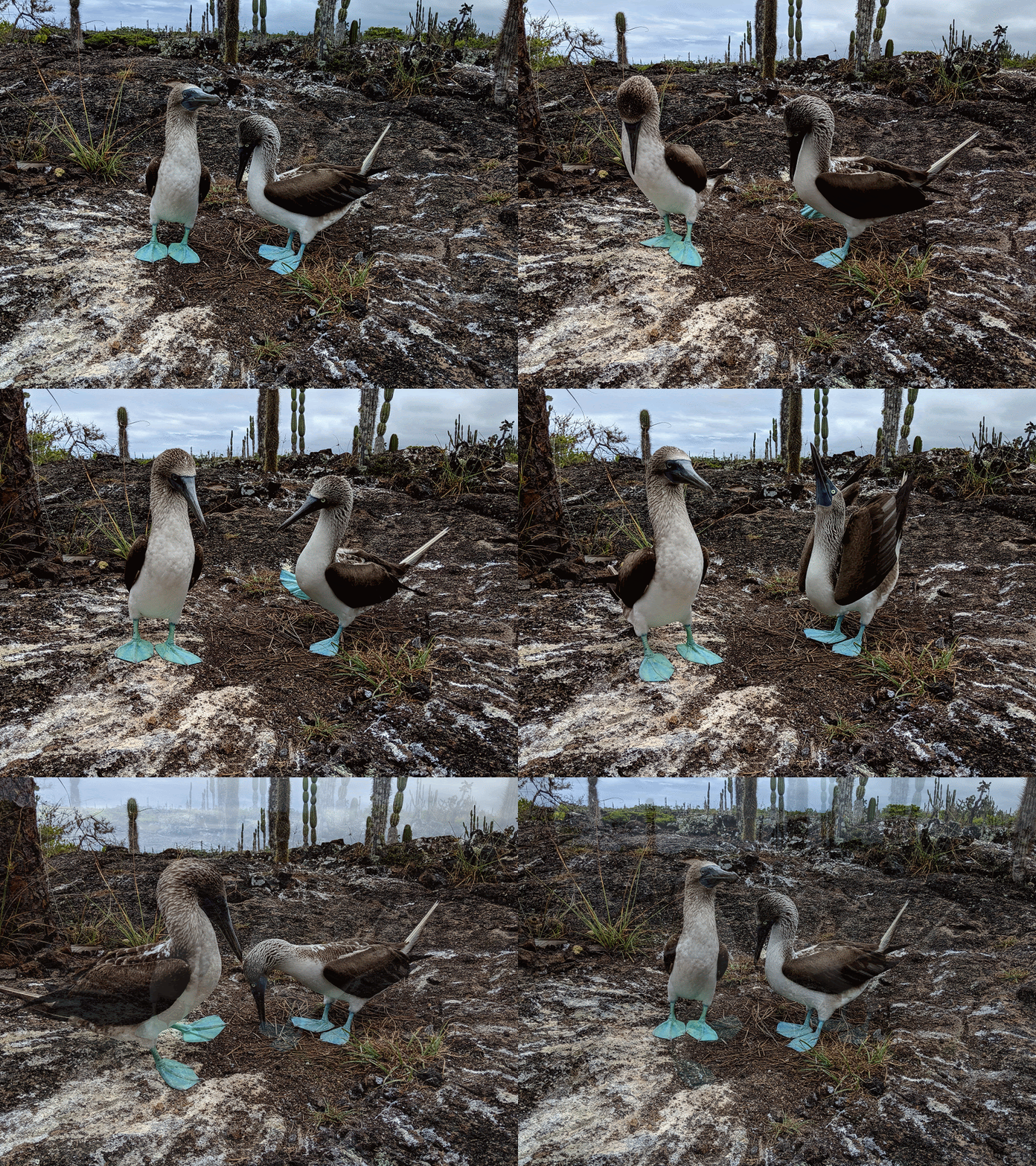
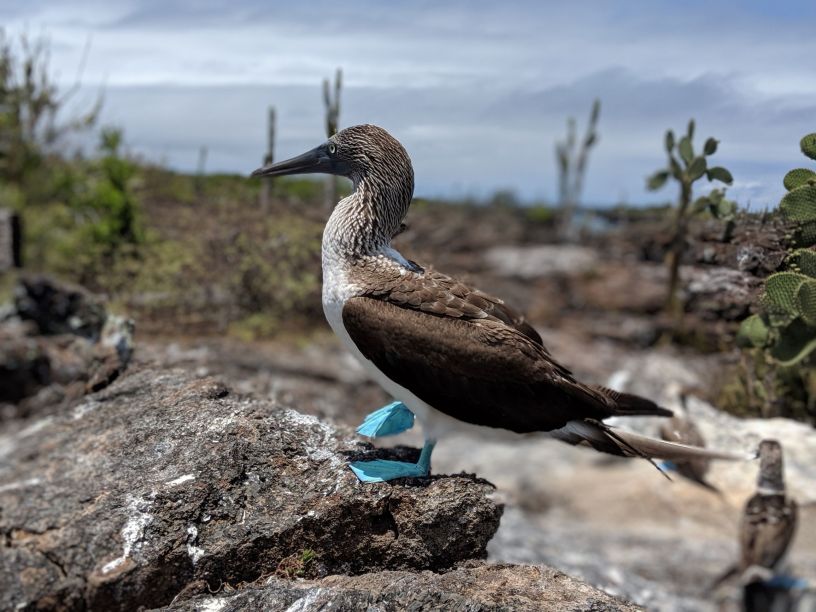
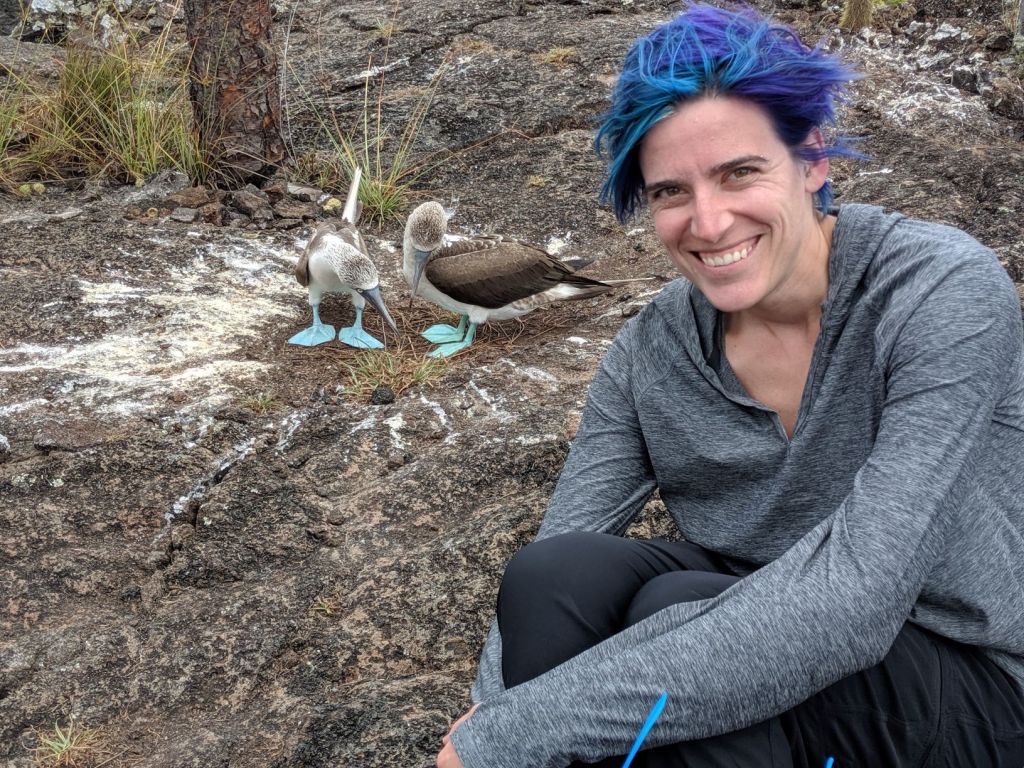
Blue Footed Boobies dancing! The blue colour comes from the sardines they eat (their skin is actually blue all over under their feathers).
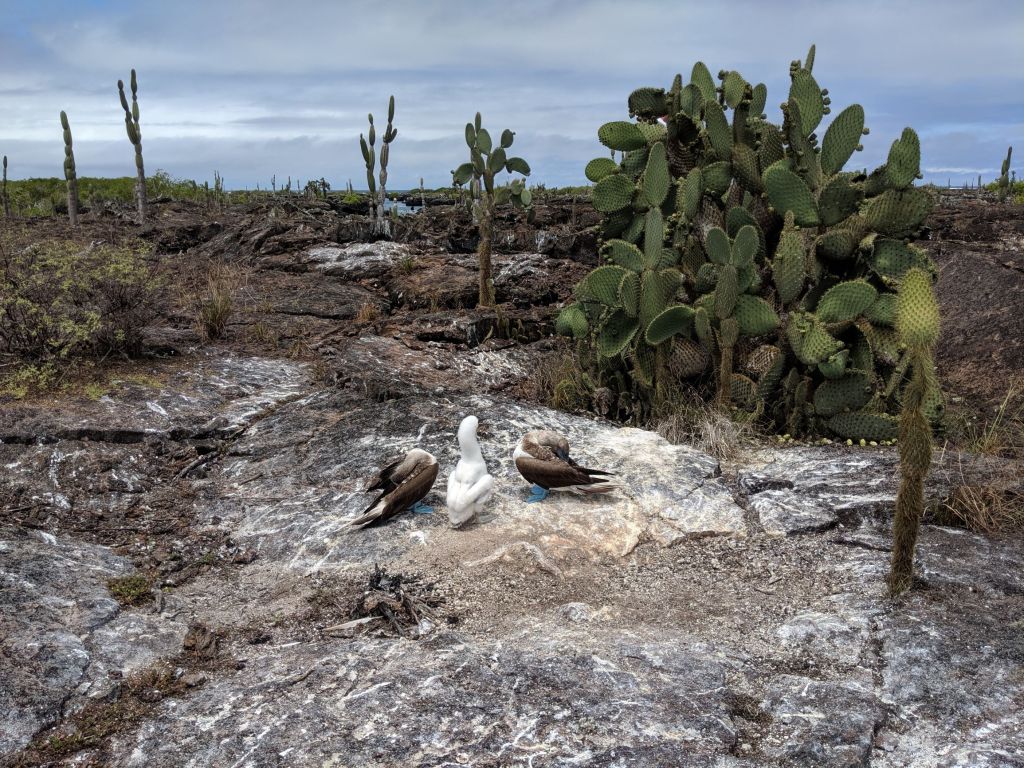
Happy Booby family. 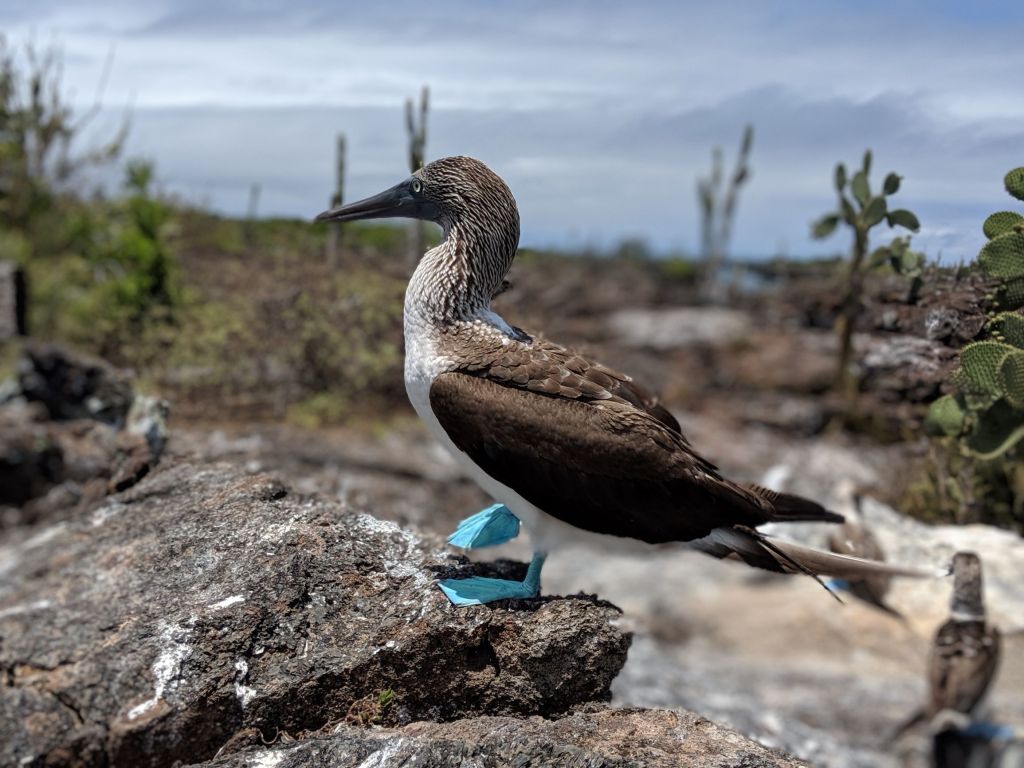
Look at my sexy feet! 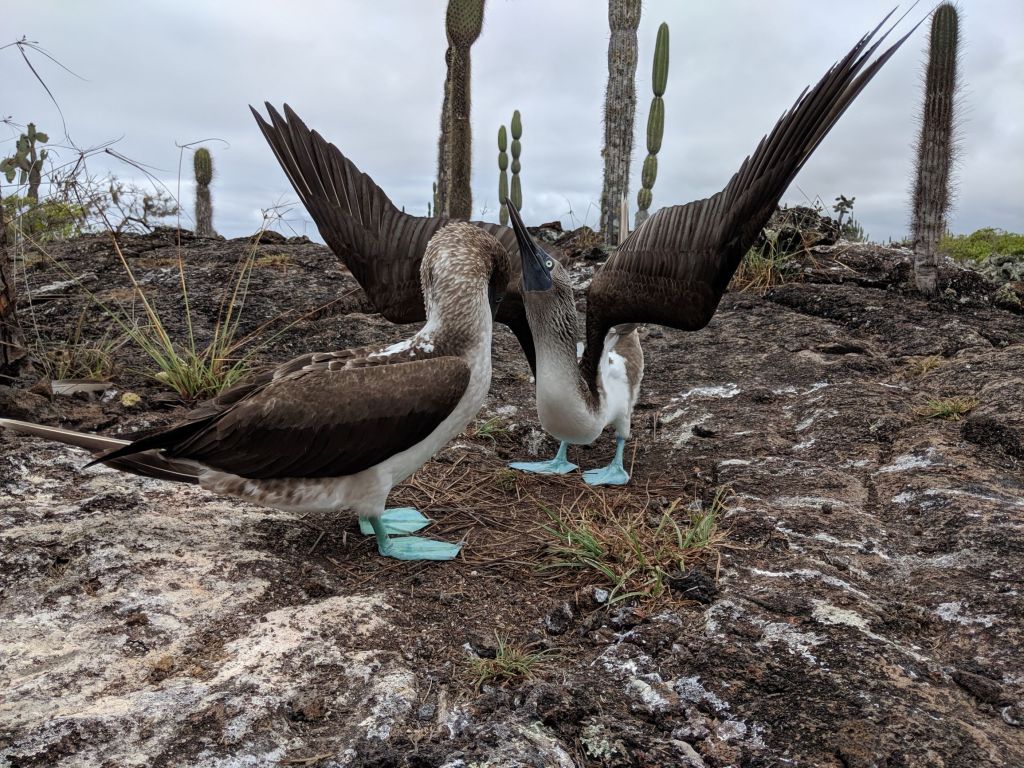
Look at my sexy wings! 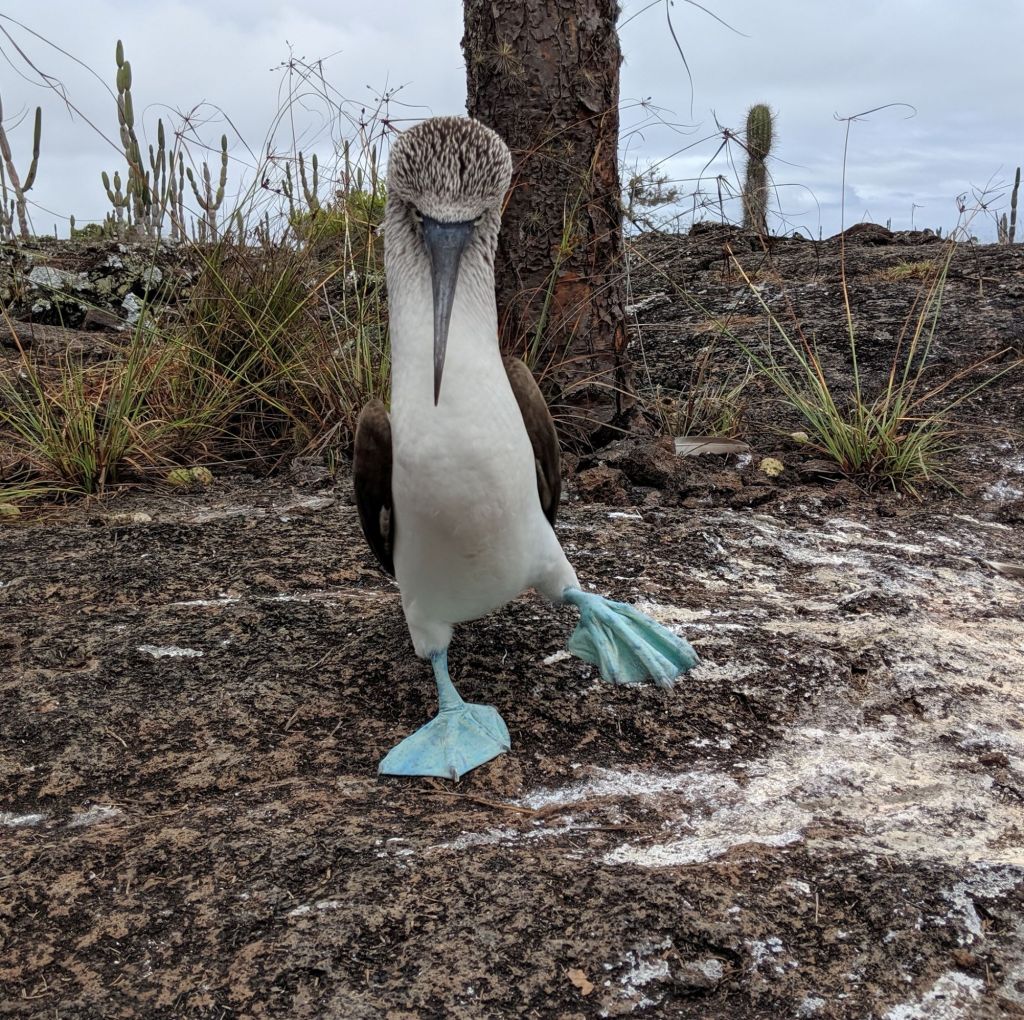
Look at my sexy walk! 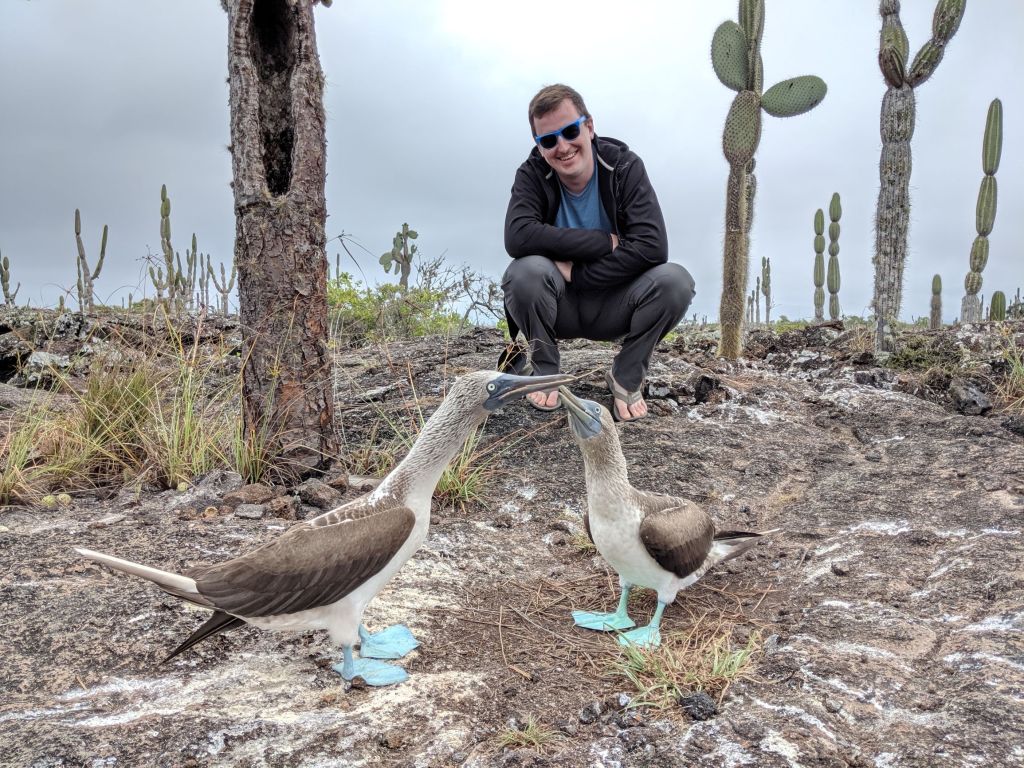
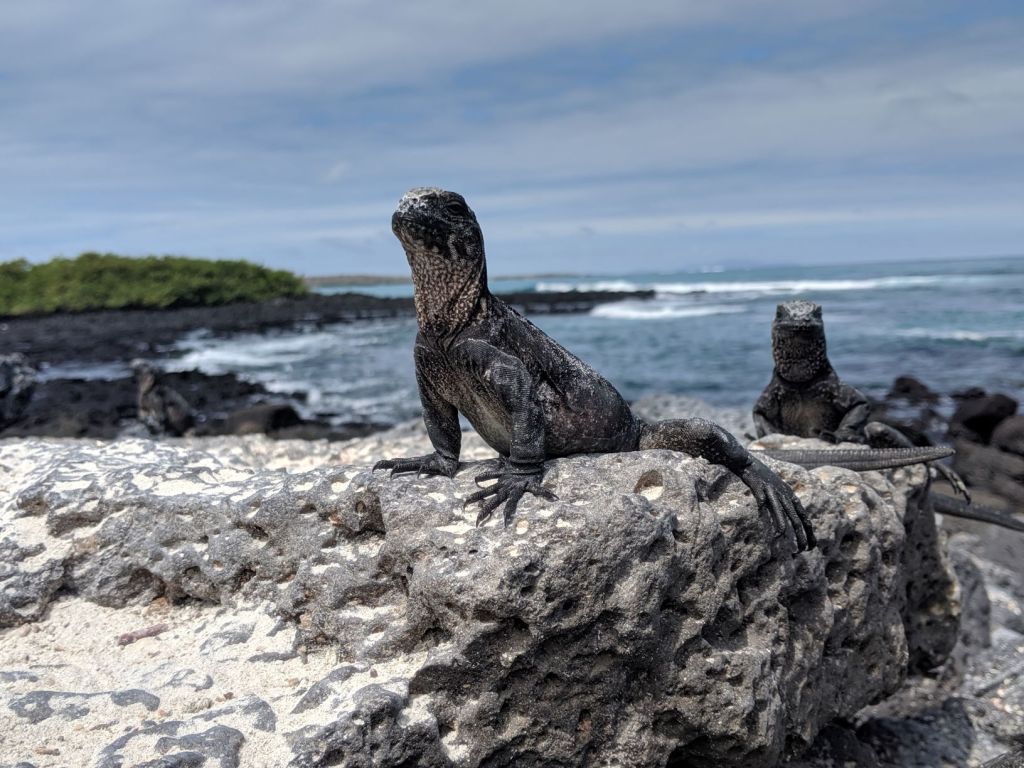
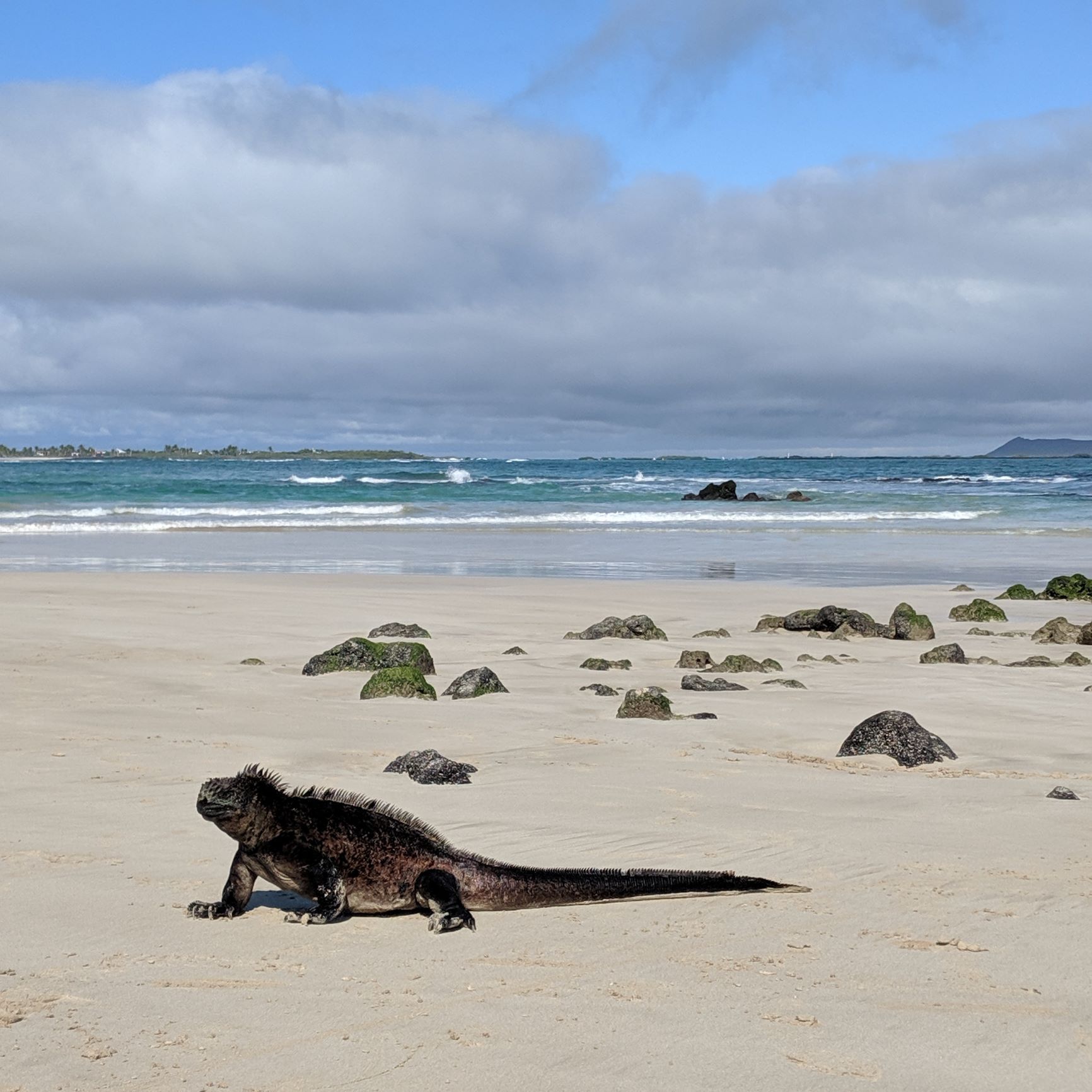
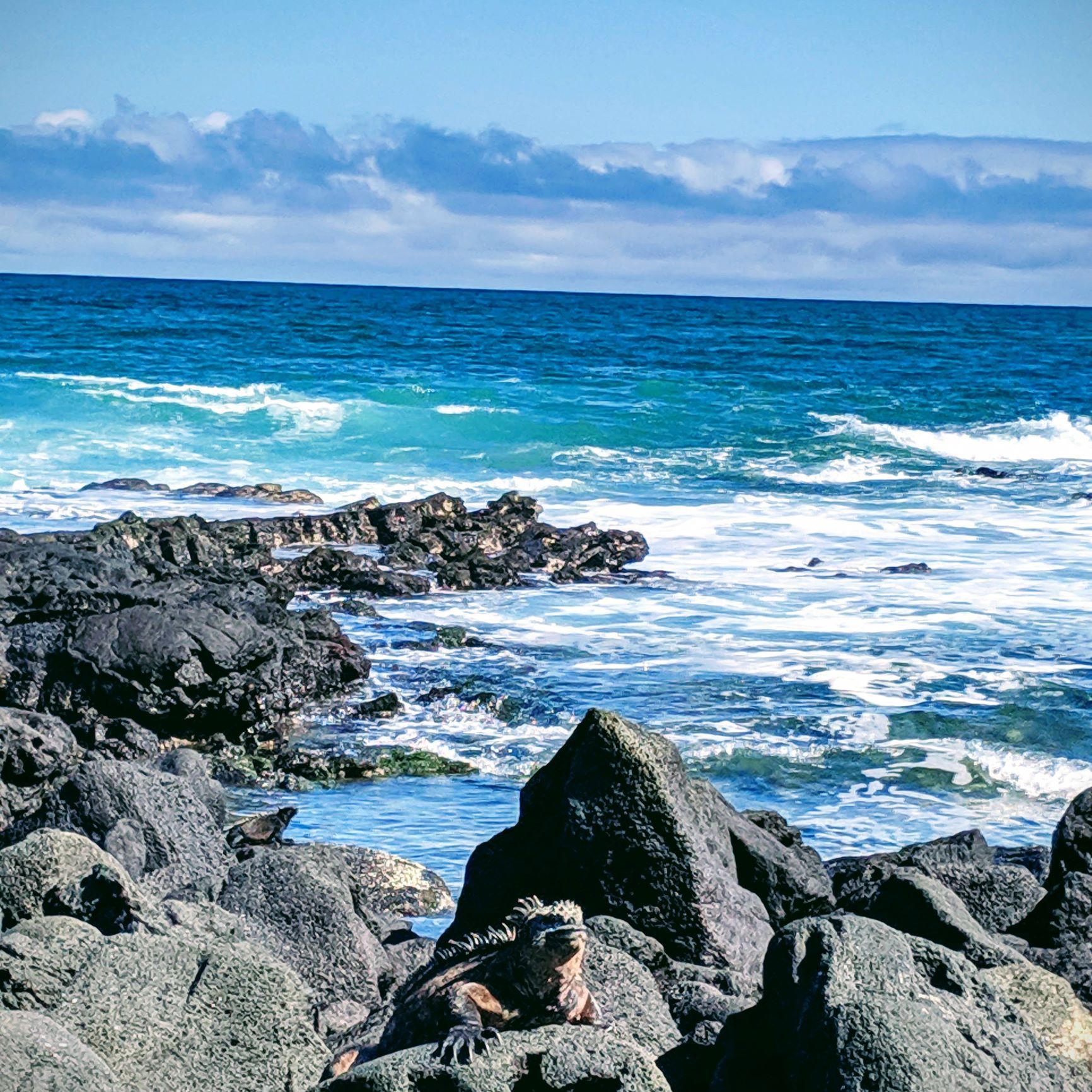
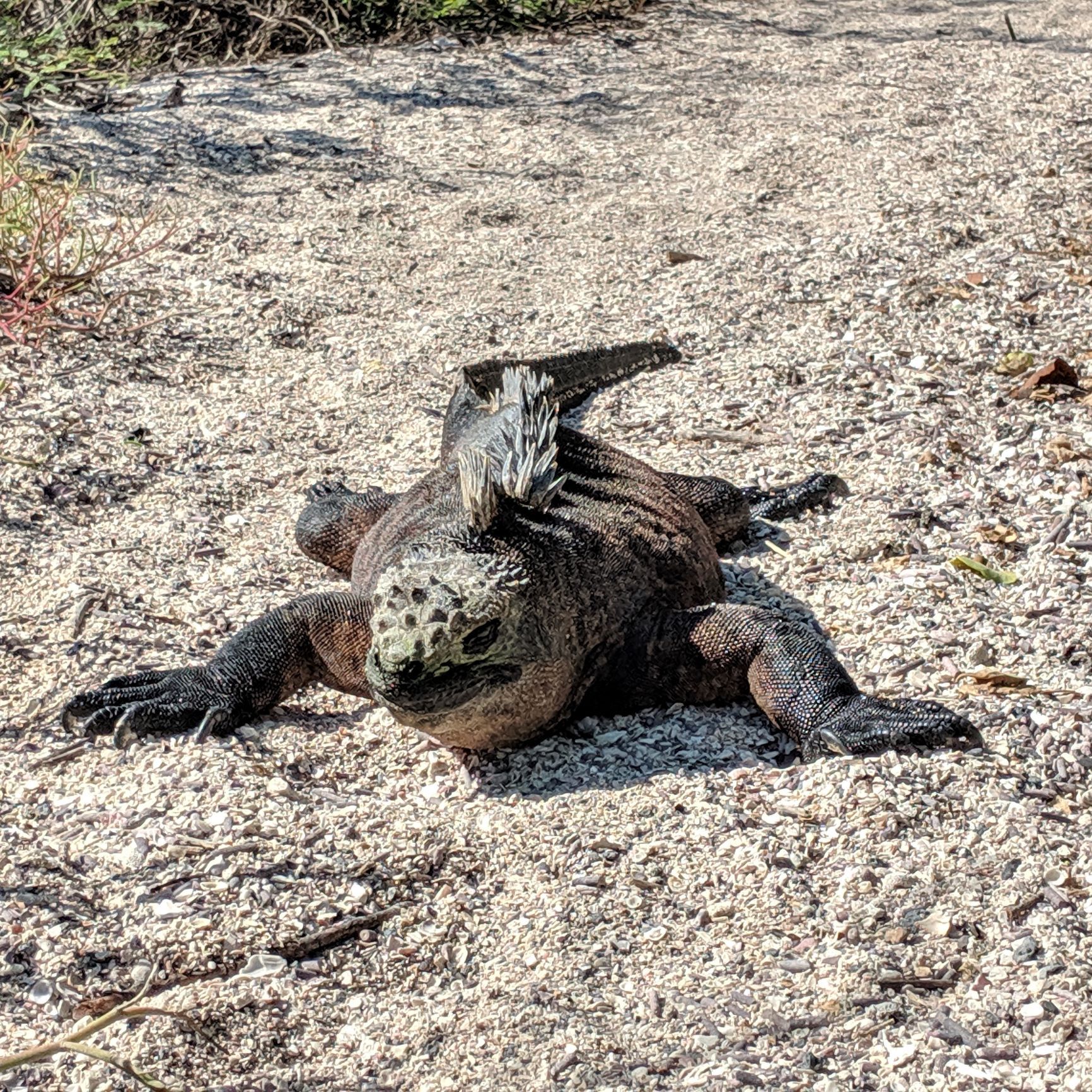
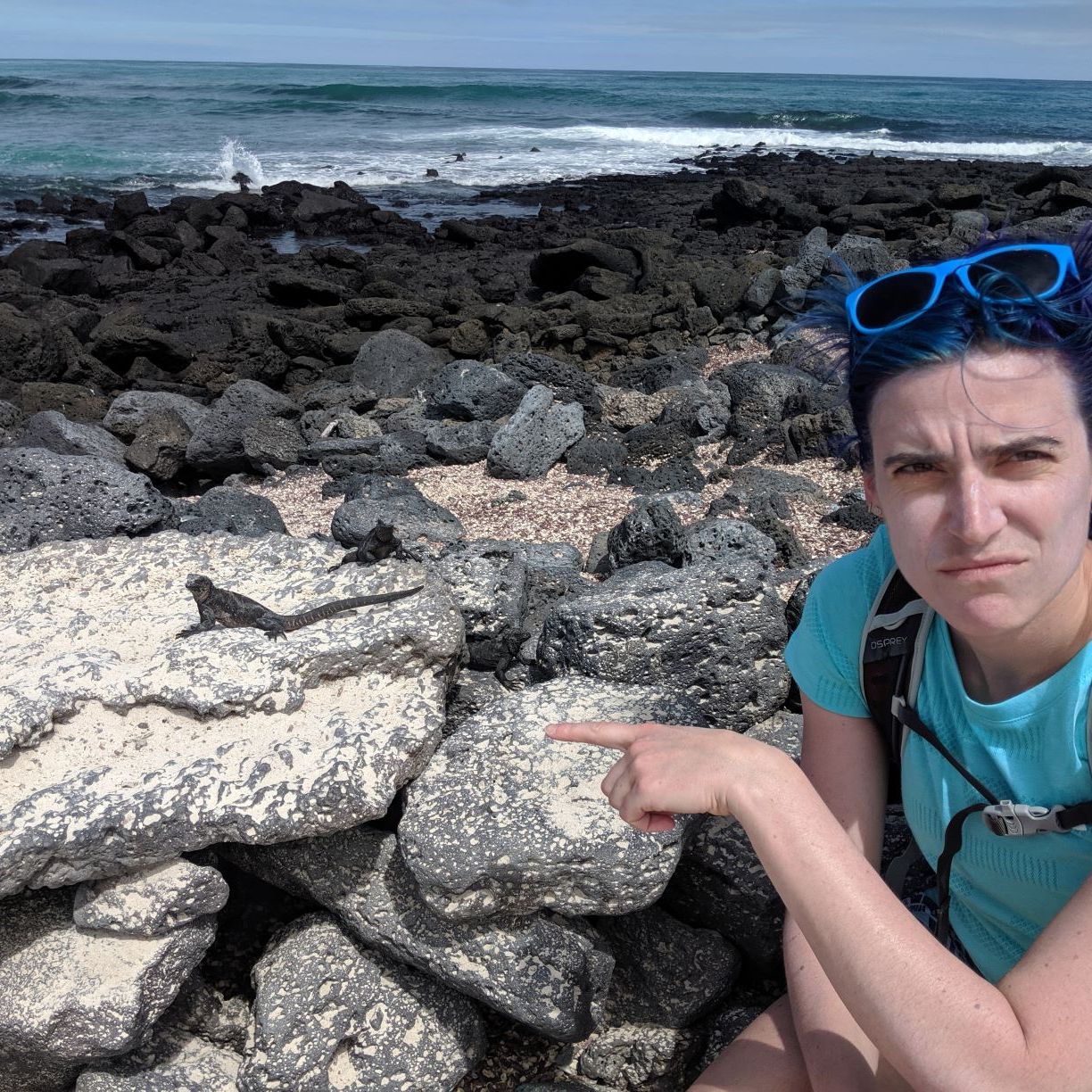
Marine Iguanas posing majestically. These guys are just everywhere, and very photogenic. They also do *not* obey the “stay 2m from humans” rule.
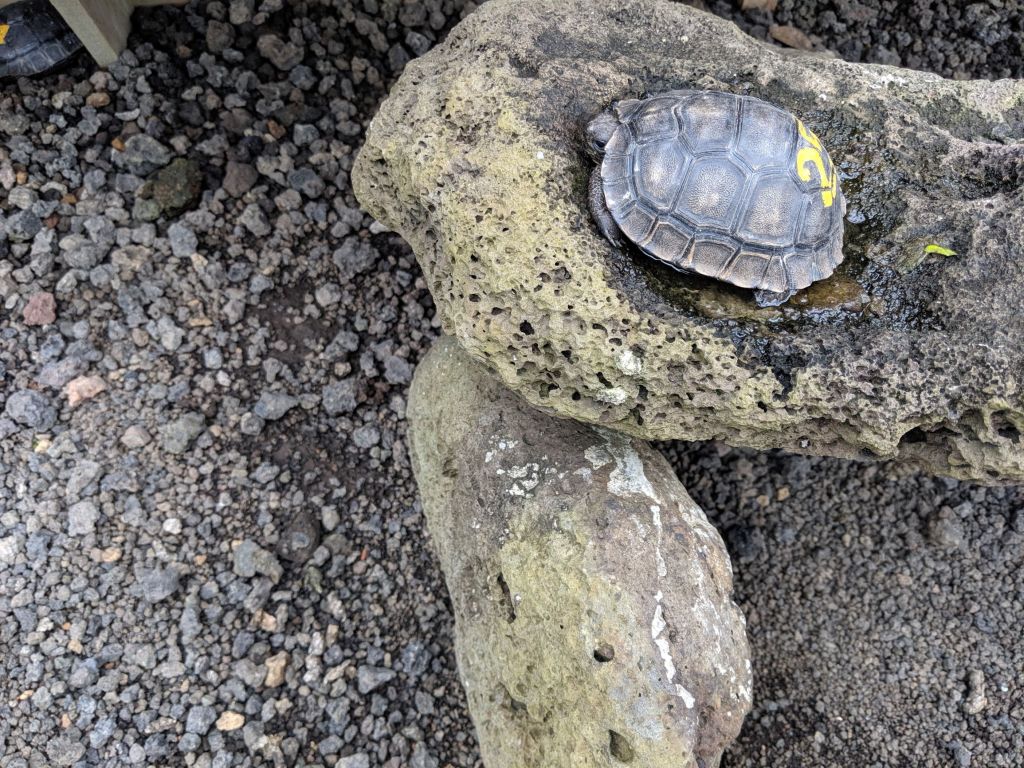
There are also many, many giant tortoises. Most of these photos were taken in the breeding centres on Isla Santa Cruz and San Cristobal. The breeding centres foster eggs and juvenile tortoises from many islands, returning them to their home islands when they’re around 2 or 3 years old.
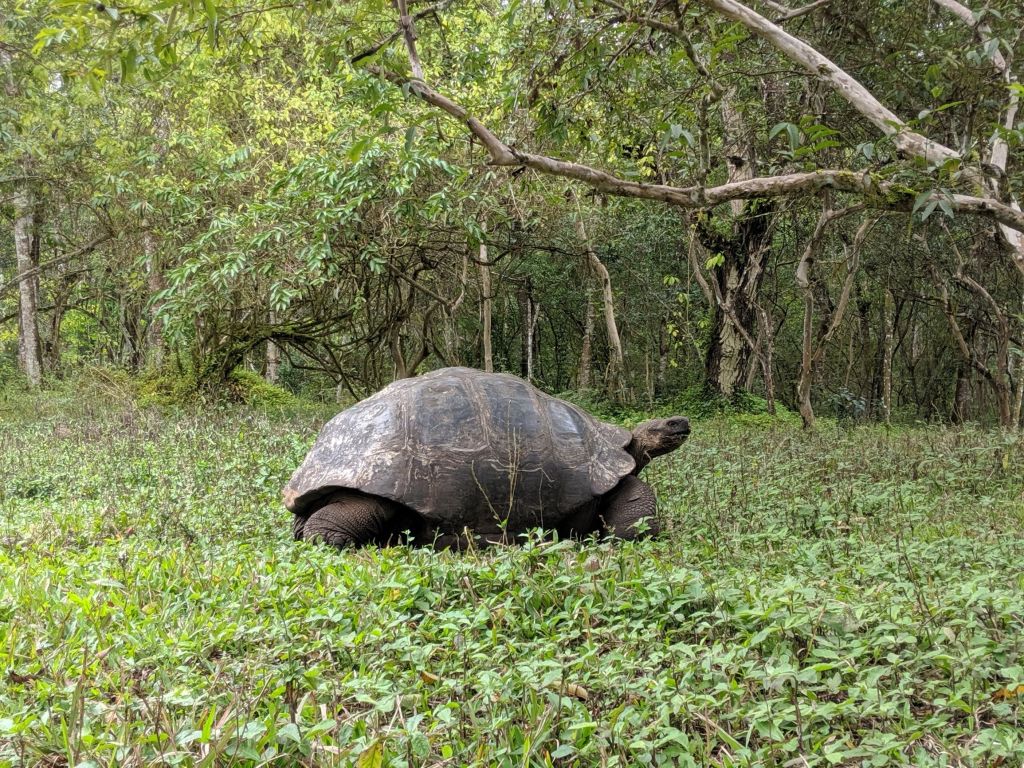
The first tortoise has a domed shell – that means he likely comes from an island with a wetter climate, so he doesn’t need to reach as high to get food, as there’s plenty growing close to the ground. The video is of a saddleback tortoise. These tortoises are common on the more arid islands, where there’s less vegetation, and they need to reach their necks up – waaay up – to get every bit of greenery they can reach. These guys are as tough as they look – they munch on the Opuntia Cacti like they’re not covered in two-inch needles! We also learned here that the adult tortoises have an annual migration that starts at the beginning of the dry season when they begin to move from the arid lowlands toward the cooler, damper highlands. The food in the highlands is not as nutritious, though, so when the rainy season begins, they trek back to the lowlands! These migration routes can be over 10km long – no mean feat for a 250kg tortoise.
FUN FACT: the Galapagos Islands get their name from the tortoises. When the first Spanish sailors landed here, they landed on an island with the saddleback tortoises, and found the resemblance of the shape of the carapace to the front part of a saddle (the “galapego”) so striking, that their early reports refer to the islands as “Insulae de los Galopegos” – Islands of the Saddlebacks.
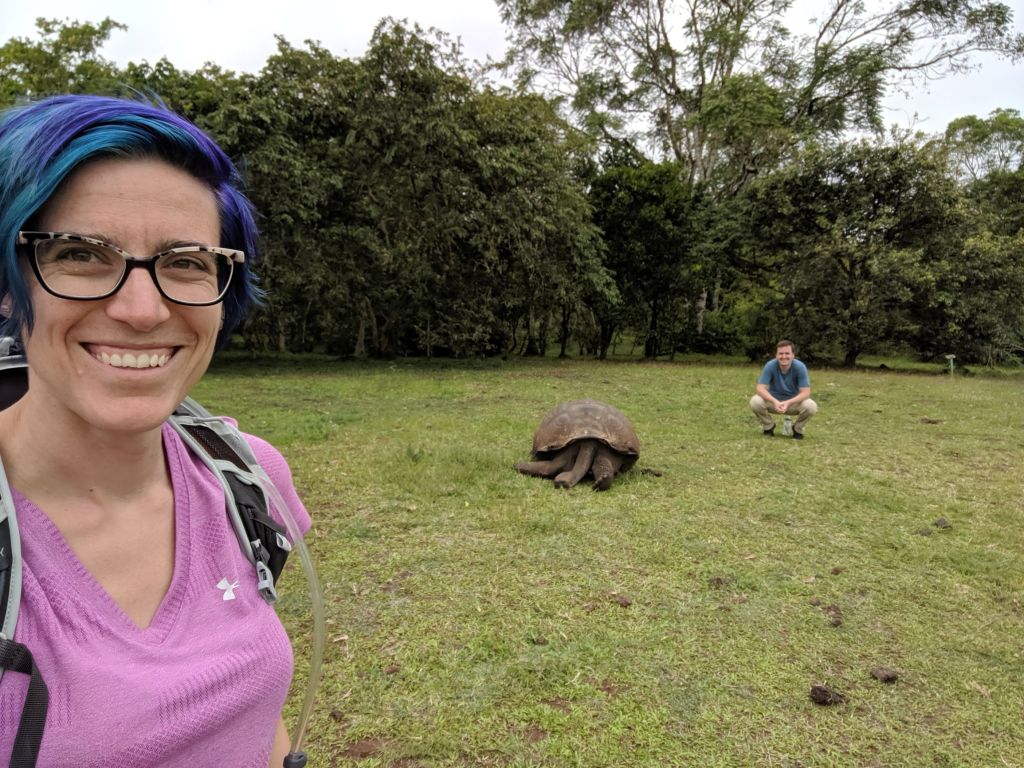
We also saw lots and lots and lots of birds.
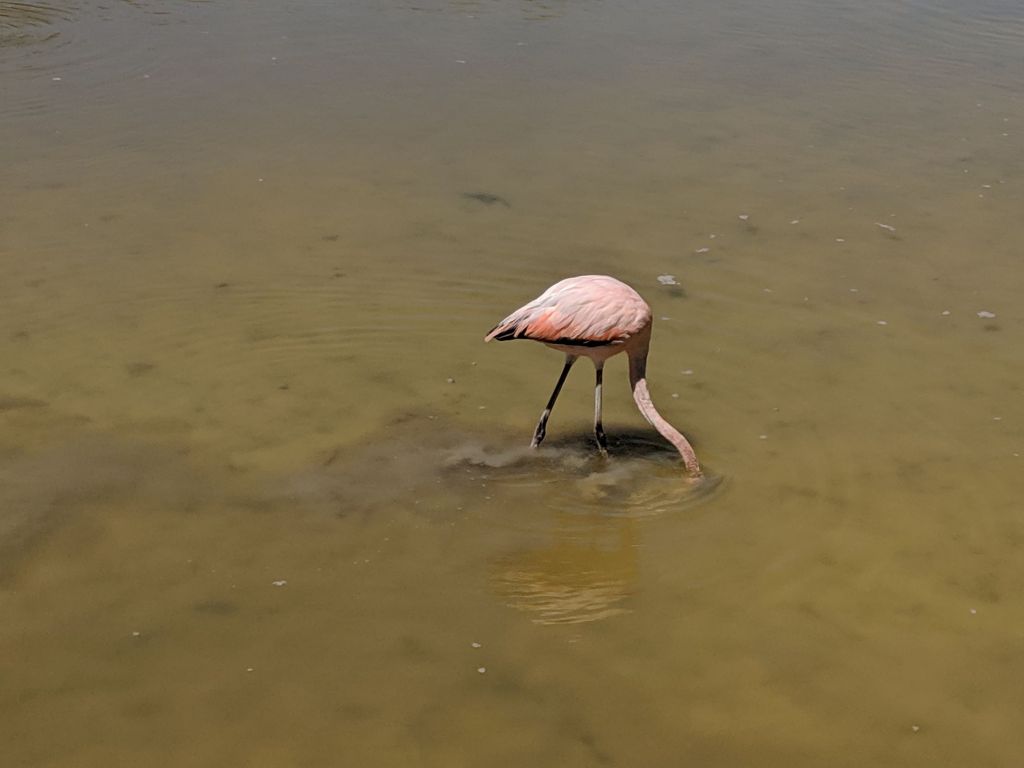
Galapagos Flamingo! 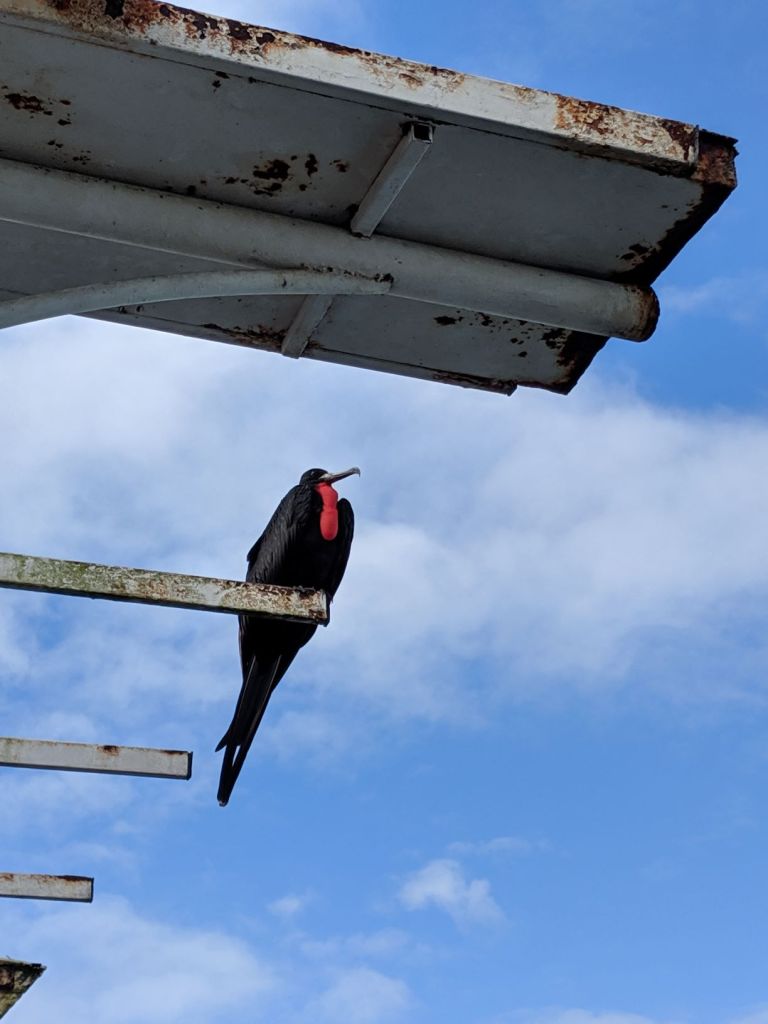
Male Frigate bird – Tjeretas (“scissors”) in Spanish, because of how their tails open and close in flight. 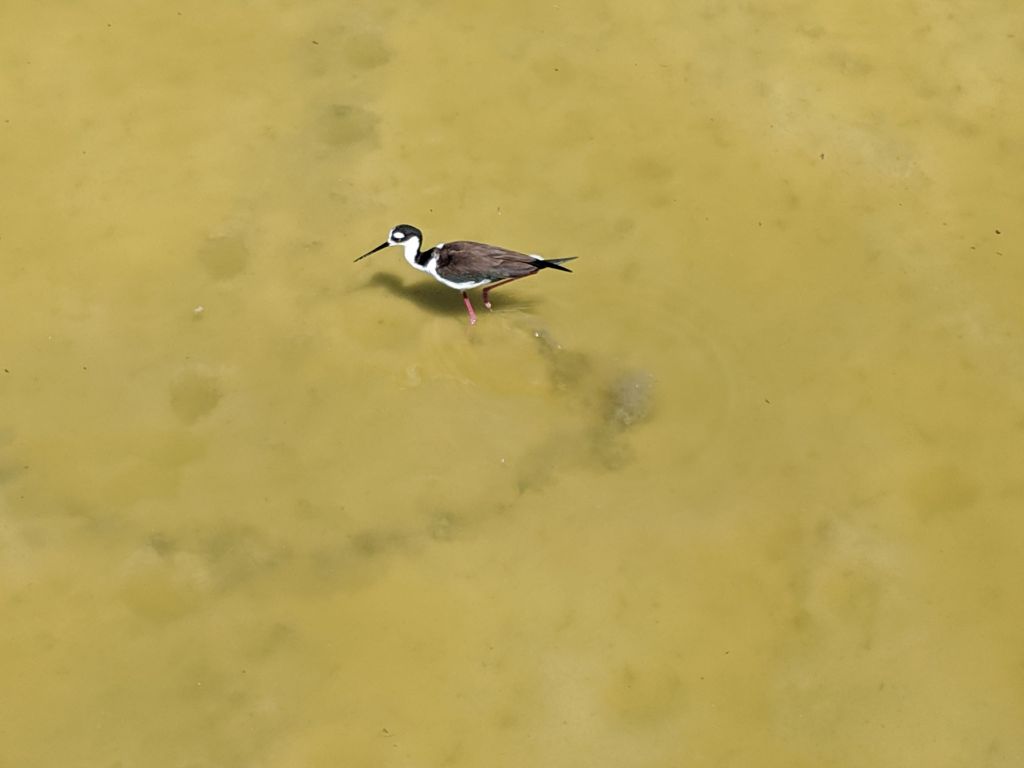
Some kind of wader – didn’t get an ID on this one. 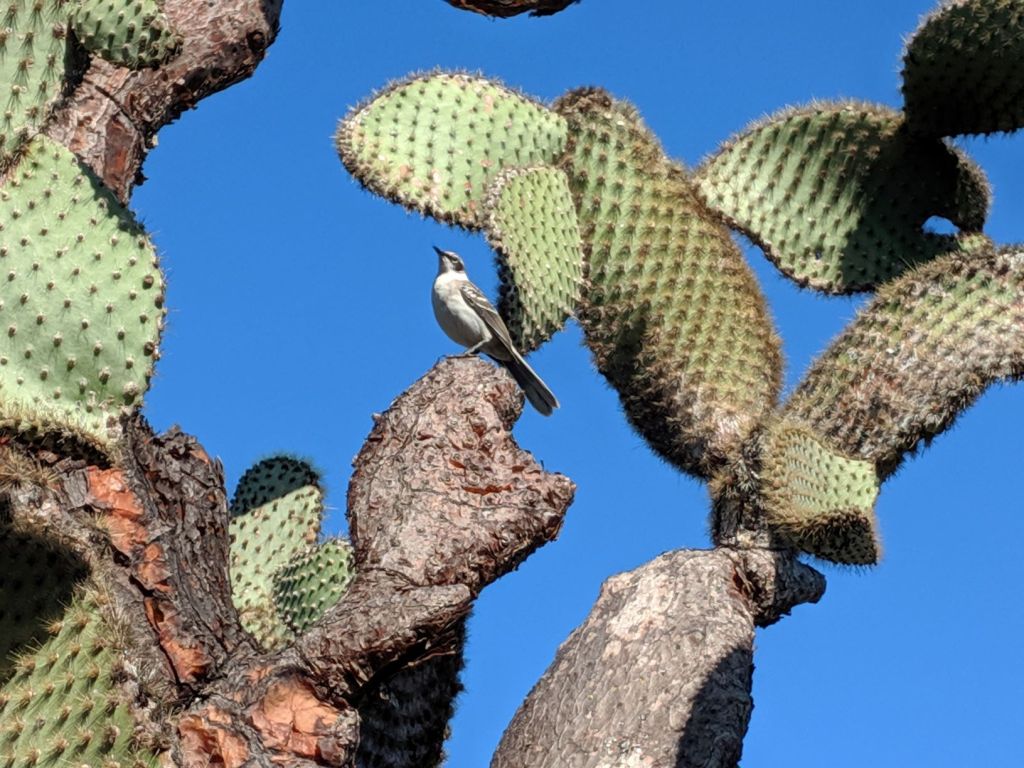
Galapagos Mockingbird chillin’ on an Opuntia cactus. 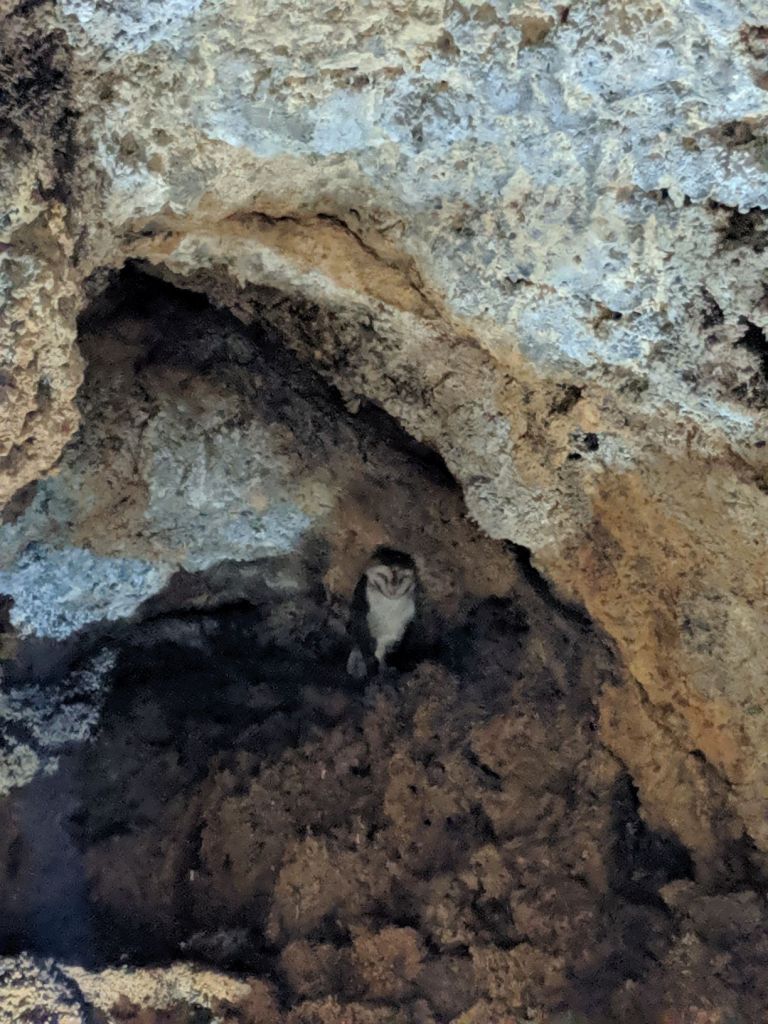
Sharp-eyed Bryn spotted an owl at the entrance to the lava tunnels. 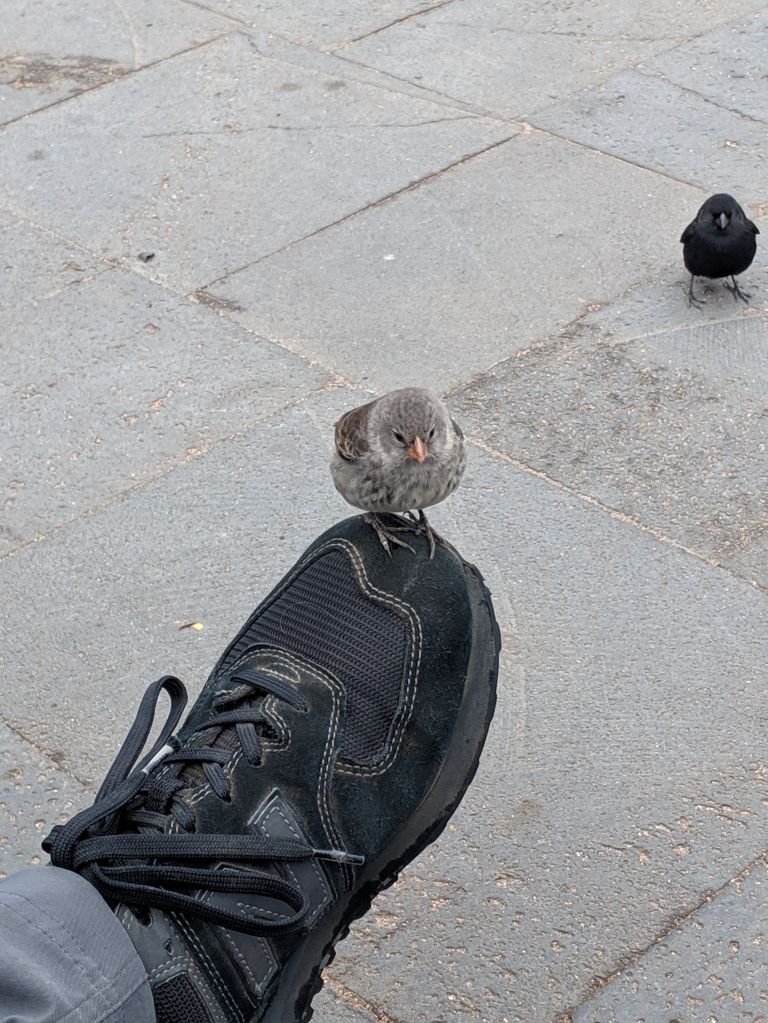
Darwin’s Finches sure are friendly. 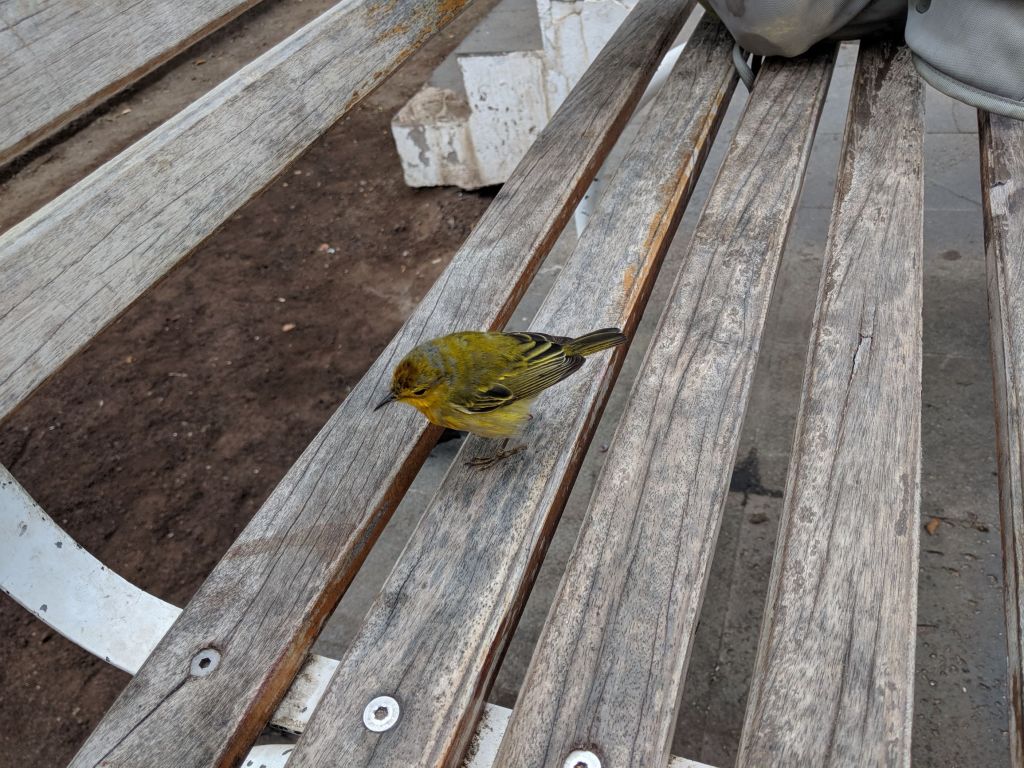
Mangrove Finches also like benches. 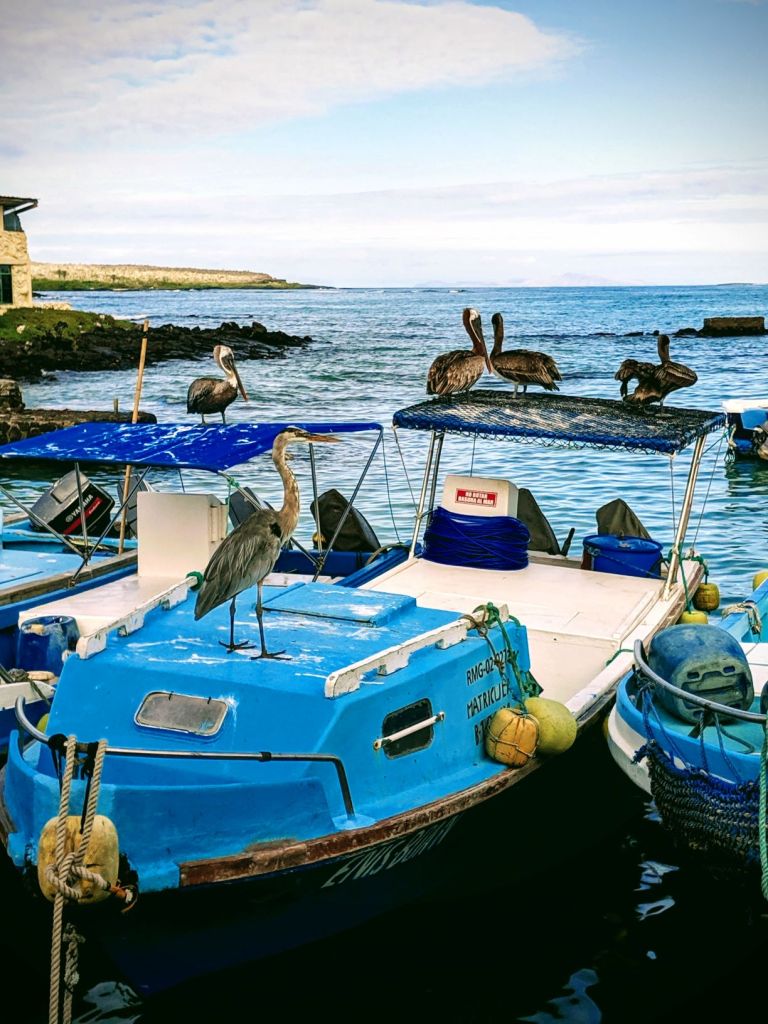
Pelicans and Herons havin’ a time. 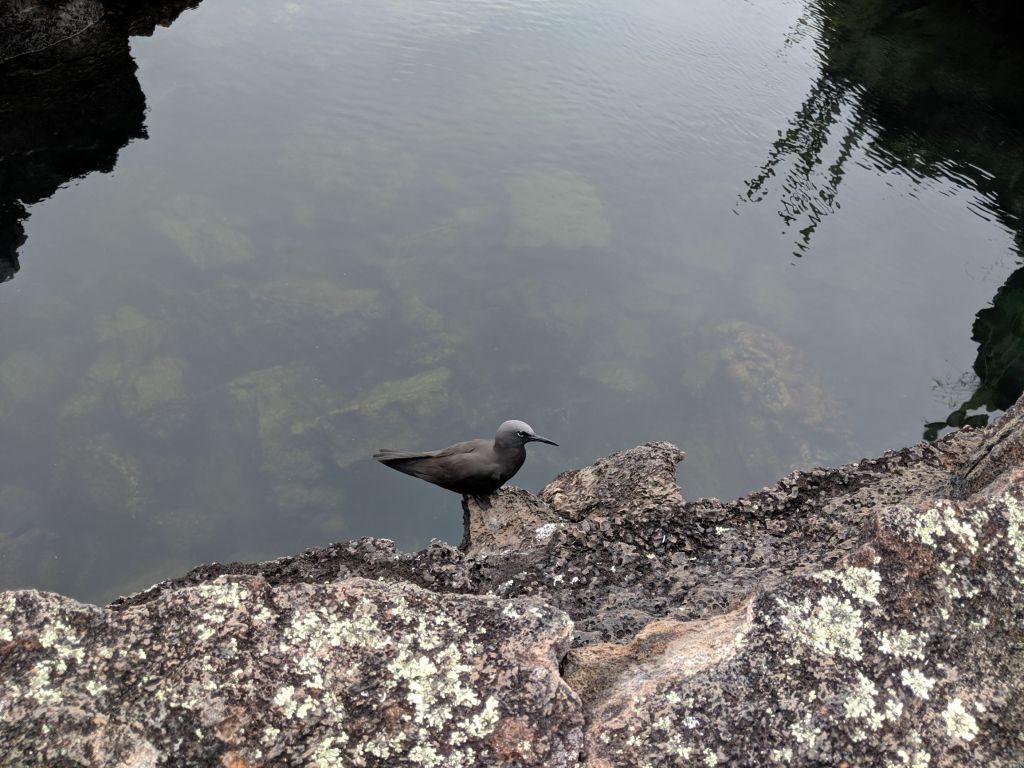
Lava Gull. 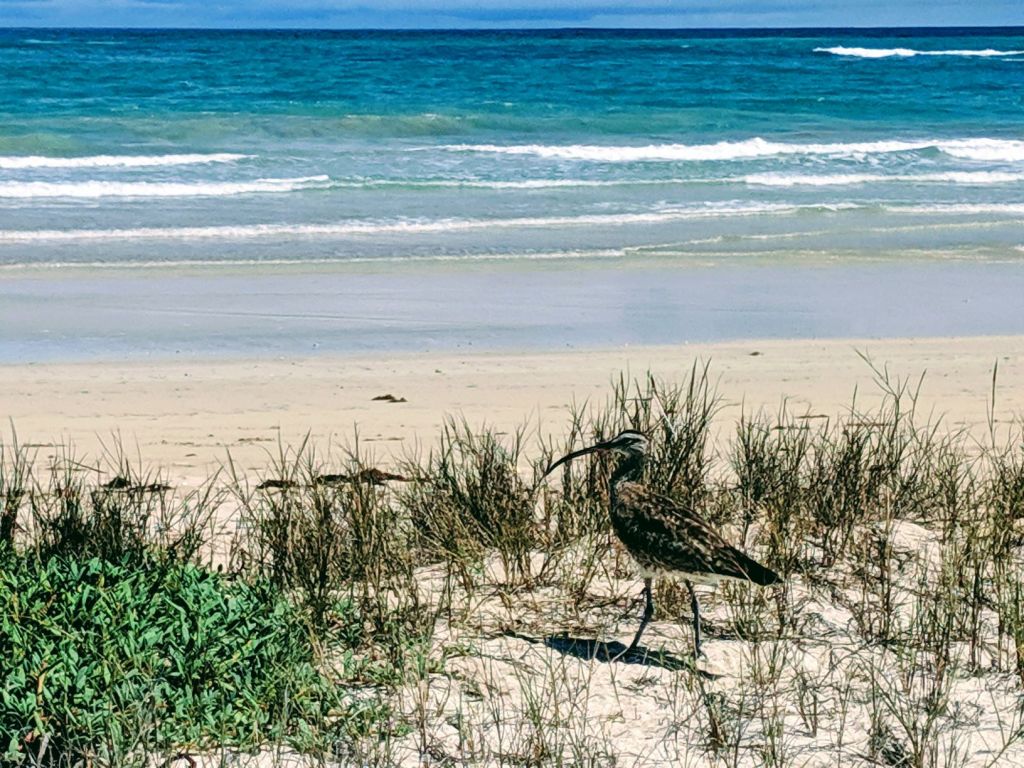
Some kind of curvy-beaked shorebird. Didn’t get an ID on this guy either. 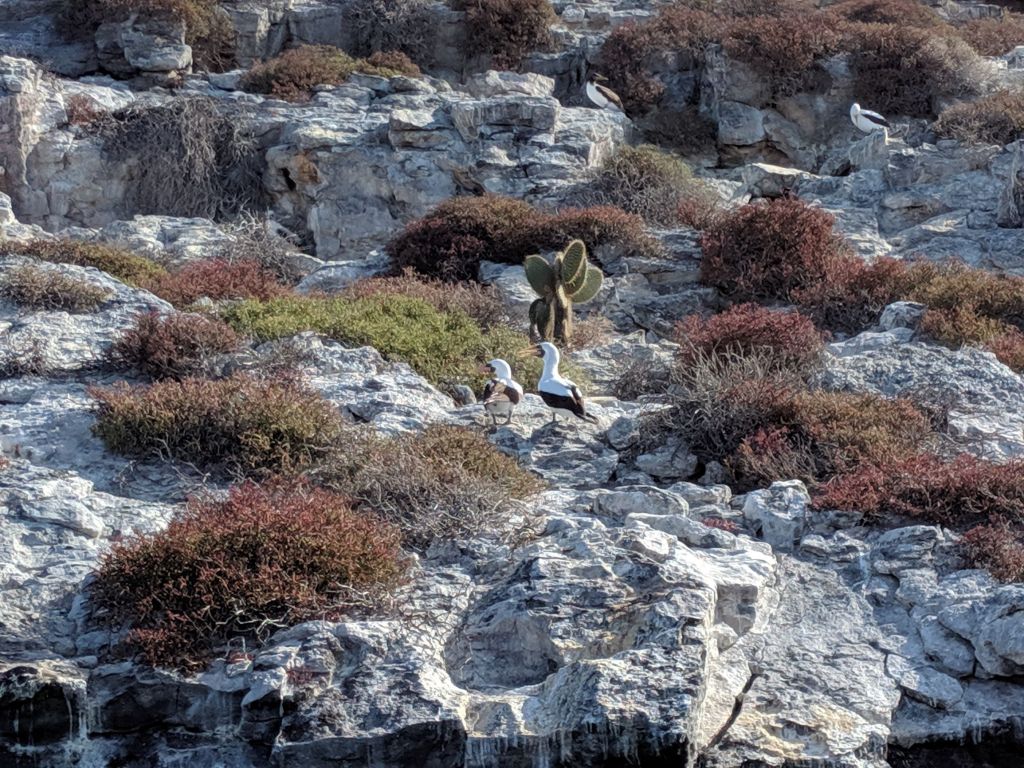
Nazca Boobies with their backs turned. They know they’re not as cool as their blue-footed cousins.
That’s an Albatross soaring around in that video – we saw two from the boat during our day trip to Las Tuneles for snorkeling (more on that in the Underwater and Land posts), and one from the ferry from Isabela to Santa Cruz. Very lucky sightings, apparently!
All those guys in the video (Blue Heron, Pelicans, and Sea Lions) are hanging around the small fish market on the waterfront in Puerto Ayora on Santa Cruz, where we spent our first five days on the islands. We thought the sea lions were brazen on Santa Cruz, but nothing prepared us for their absolute domination of Isla San Cristobal!
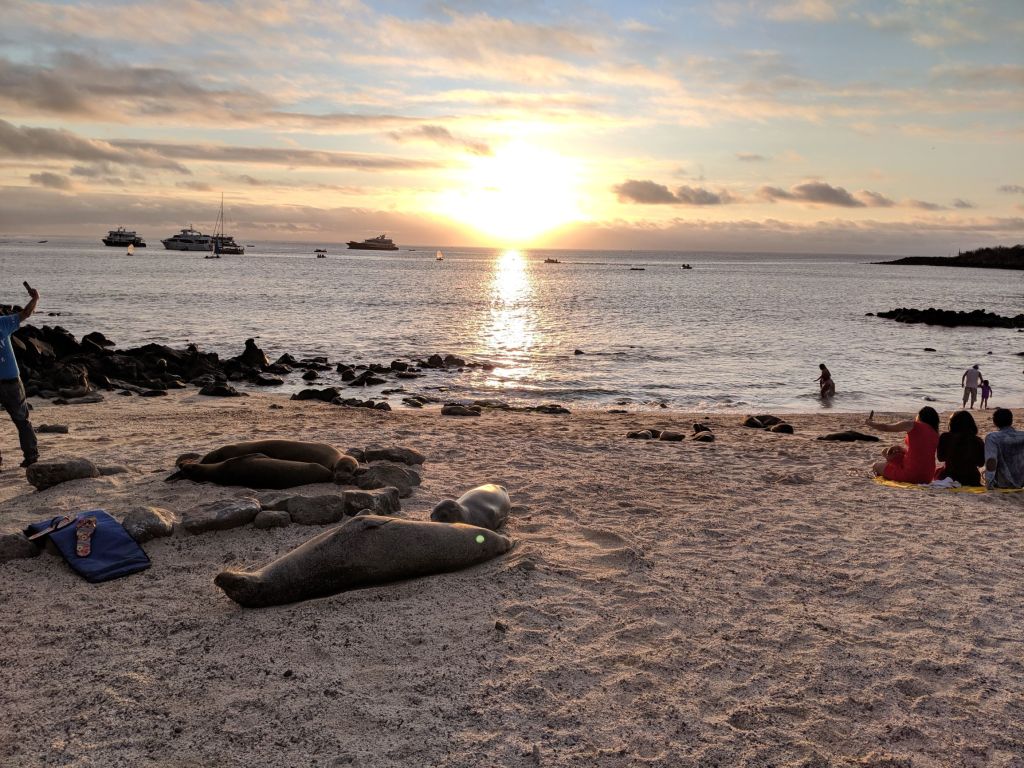
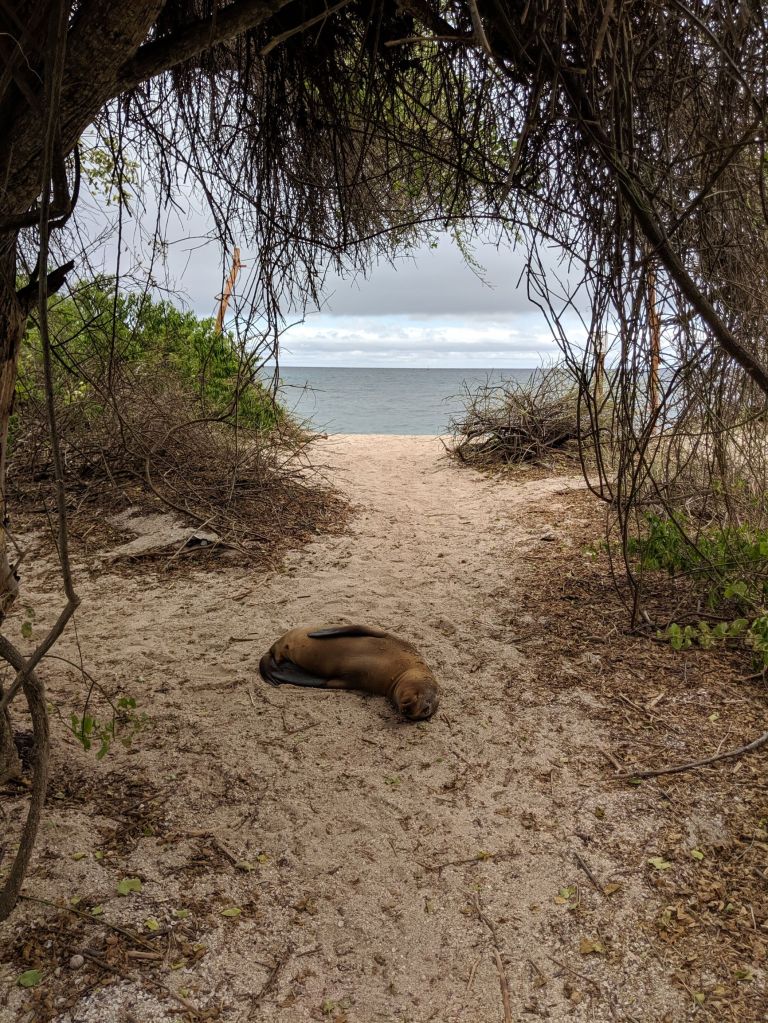
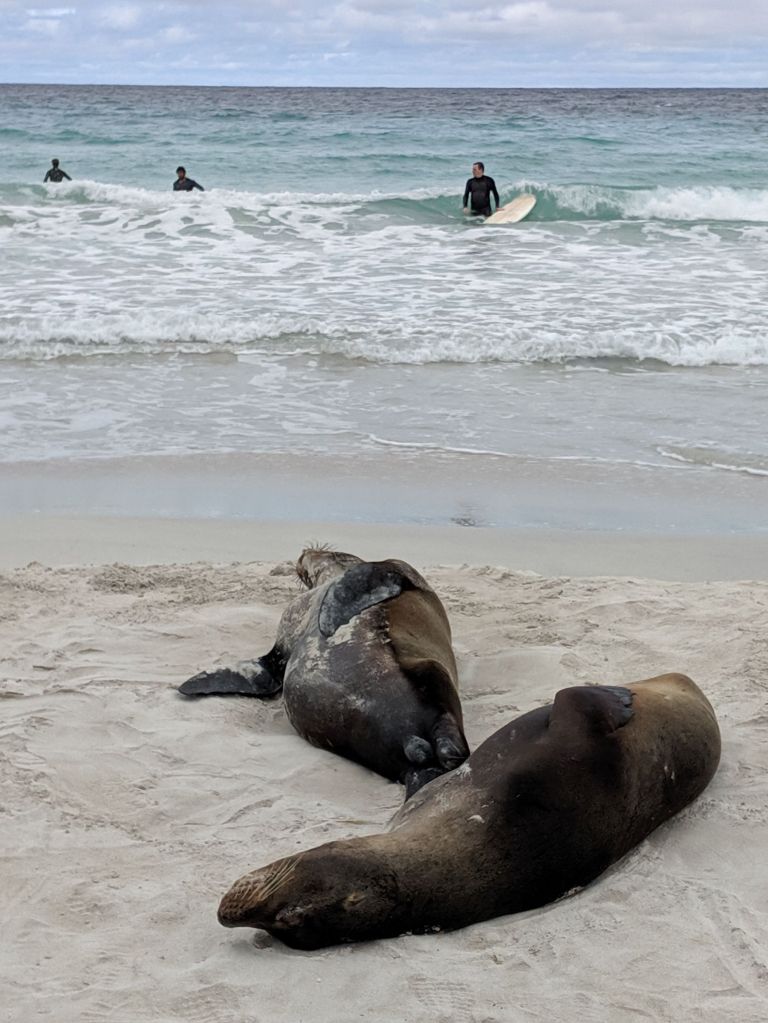
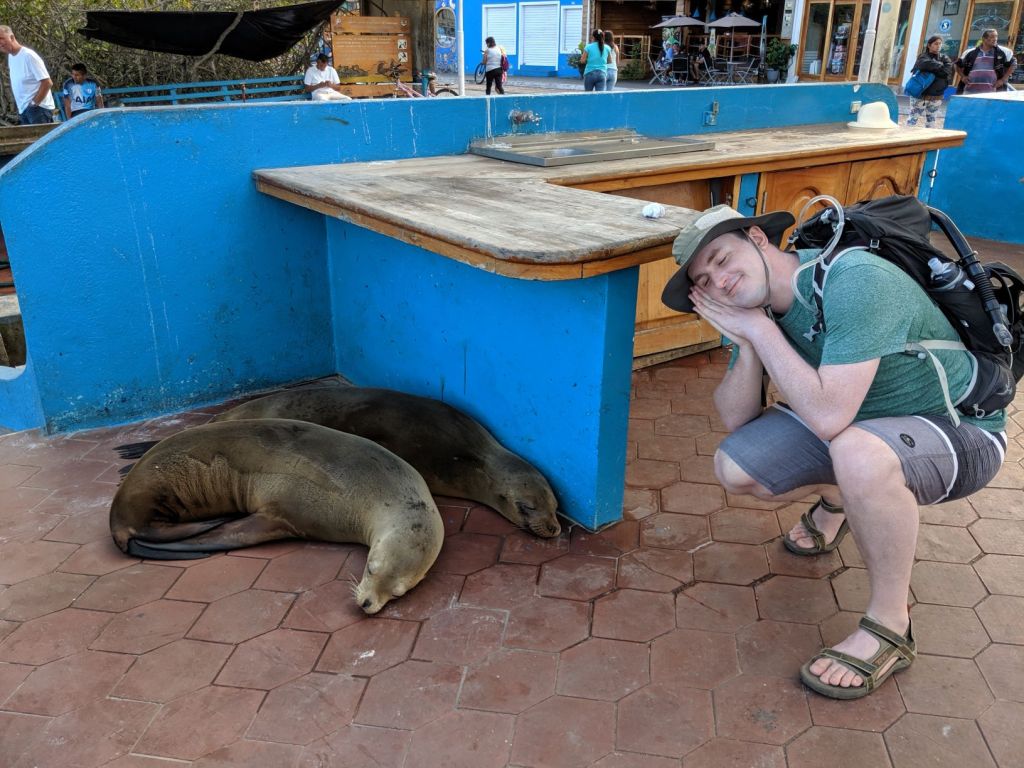
The Galapagos Sea Lions are related to the California Sea Lions, but are only about 1/3 the size – the theory is that the warmer equatorial temperatures mean they don’t need to carry as much blubber as their California cousins. That said, the males are extremely territorial – the colony in the video is likely the harem belonging to one dominant adult male. These particular beaches are pretty well closed to human wandering to protect the colony, and there are lots of signs reminding you not to touch the sea lions, especially the pups as they will be rejected by their mothers if they smell like humans.
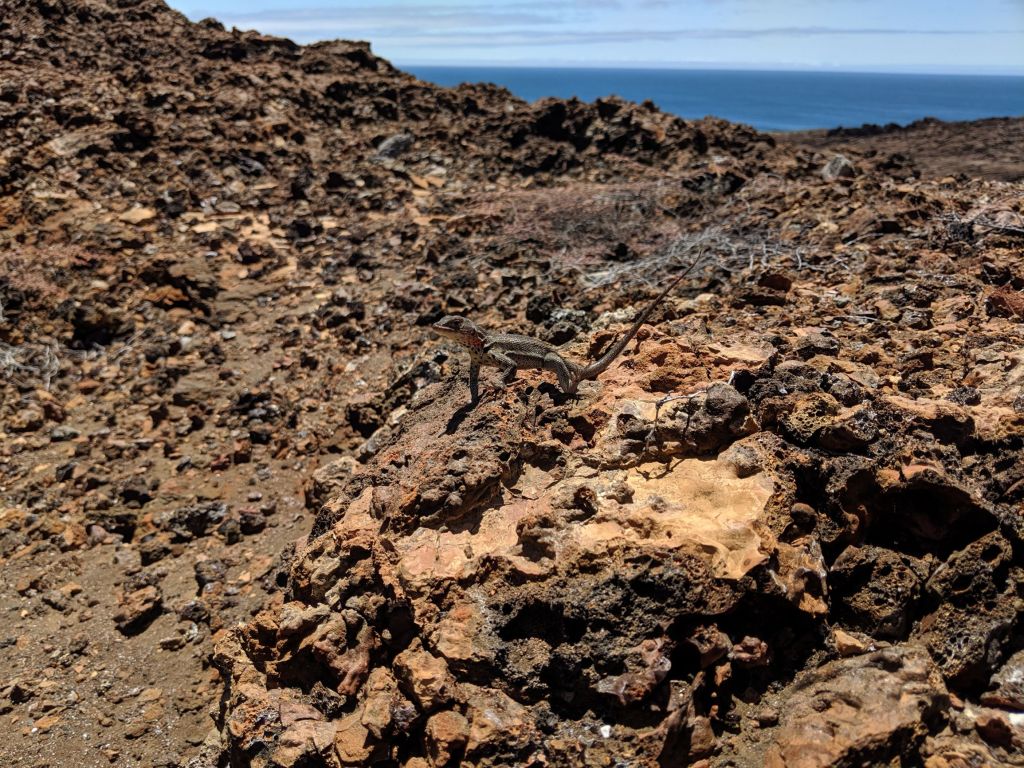
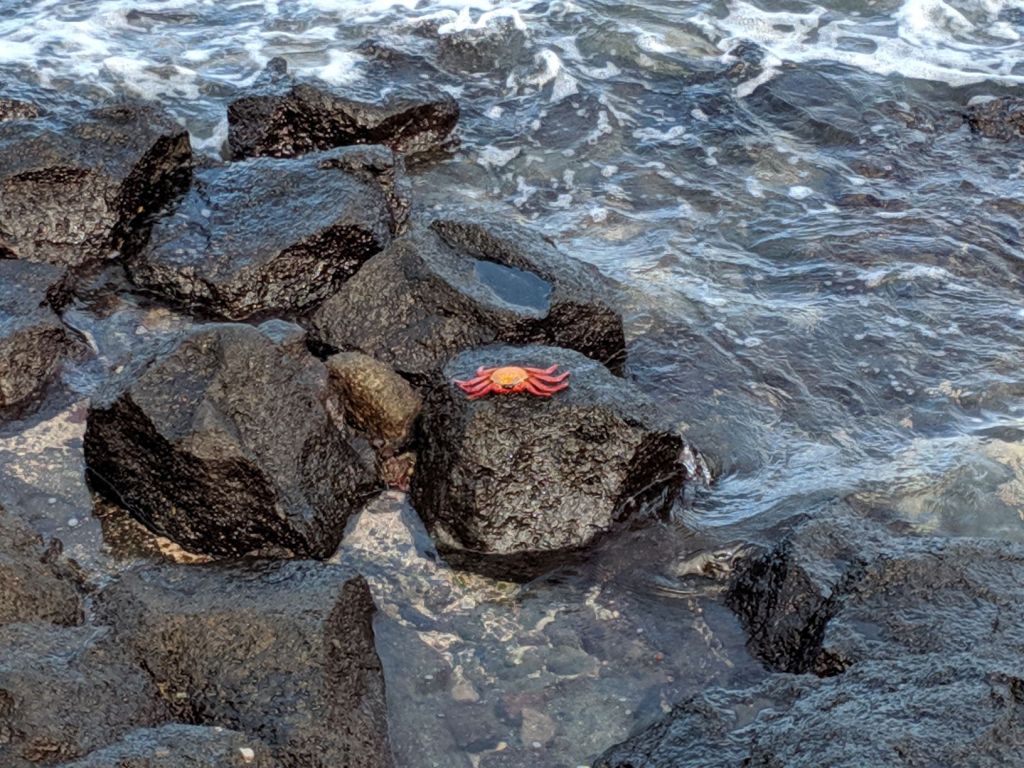
And finally, a couple little guys to leave you with. Above, a Lava Lizard, pictured carefully camouflaged on some a’a lava on Bartolome Island. Below, a fancy crab!
 Honeymoon? Sweet!
WOW!!!!!! What an adventure. Thanks for taking the time to share with us. Love to you both.
LikeLike